
Why Netting Durability Decides Aquaculture Success
In open-water aquaculture, the net is more than a barrier — it is the farm’s primary safeguard.
Even a minor 5 cm breach can expand rapidly under wave forces and tidal tension, leading to chain-reaction tearing, large-scale fish escapes, and severe revenue loss.
Traditional nylon nets, woven from fine braided filaments, degrade quickly under UV exposure, saltwater corrosion, and repeated impacts from debris or marine life.
The result? Frequent repairs, shortened net lifespan, and costly downtime.
A stronger, more resilient netting material is no longer optional — it’s essential.
PET Polyester Netting
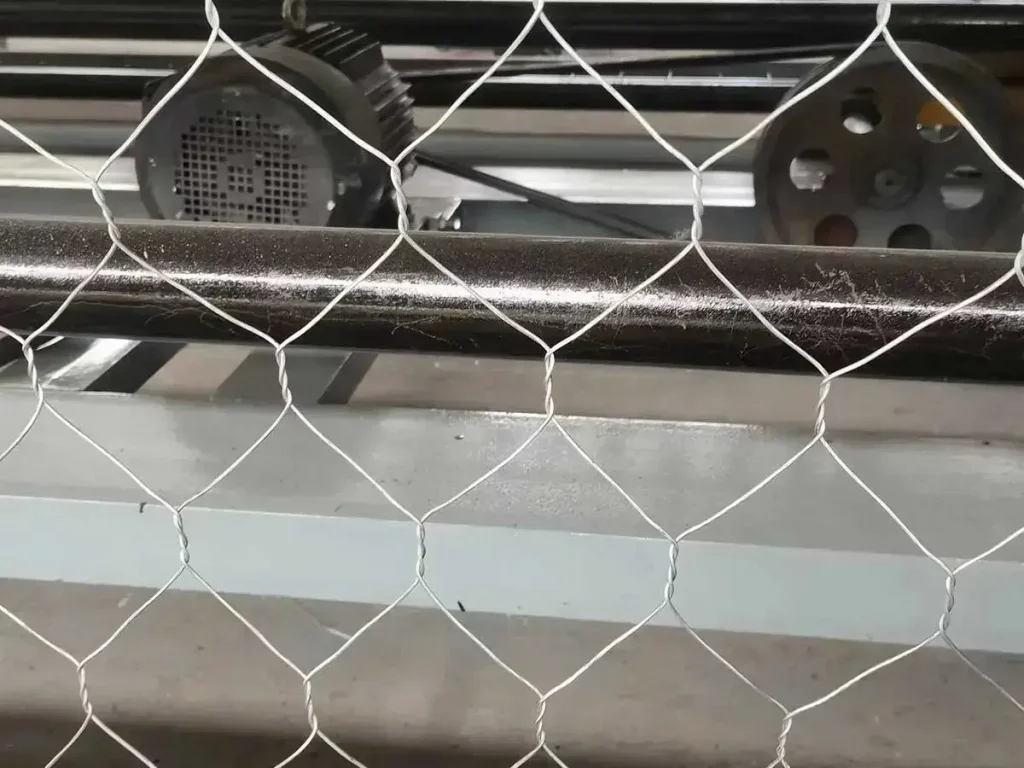
PET hexagonal mesh is an advanced marine aquaculture net explicitly designed for the harsh environment of deep-sea aquaculture.
Material
Polyethylene terephthalate (PET — the same base polymer used in PET beverage bottles) offers exceptional chemical stability, high oxidation resistance, and superior resistance to saltwater corrosion and ultraviolet degradation.
Structure
The hexagonal “turtle-shell” mesh design prevents progressive tearing — any local damage remains contained, protecting the integrity of the entire enclosure.
Manufacturing
Our precision-engineered PET hexagonal wire mesh machines are purpose-built for deep-sea aquaculture. With automatic control and stable mesh formation, they produce a uniform PET mesh.
Outcomes
Up to 40% fewer net replacements, dramatically reduced escape incidents, lower maintenance labor, and predictable yields season after season.
PET Polyester vs Traditional Nylon for Aquaculture Netting
| Feature | PET Polyester Netting | Traditional Nylon Netting |
|---|---|---|
| UV Resistance | High. | Moderate. |
| Saltwater Corrosion | Excellent, chemically stable in saltwater environments with low oxidation and corrosion susceptibility. | Prone to degradation over time in marine conditions, especially without UV/salt stabilization treatments. |
| Tensile Behavior | High tensile strength with low tear propagation — local breaks do not easily propagate across the mesh. | Lower resistance to progressive tearing; a single failure is more likely to extend under load. |
| Impact / Bite Resistance | Better resistance to abrasion and localized bites — more robust against mechanical impact and predator nibbles. | More likely to be punctured and then torn, particularly under repeated impacts or predation. |
| Longevity (typical) | Significantly longer operational life in marine conditions, resulting in fewer replacements and lower lifecycle cost. | Shorter service life in comparable marine conditions; higher replacement and maintenance frequency. |
| Repair Outcome | Local repairs remain localized (less propagation) thanks to material and mesh geometry — easier containment after patching. | Single hole likely to enlarge under load, increasing the risk of progressive failure and escape events. |
For deep-sea aquaculture, where UV, salt, and mechanical stress are constant, PET turtle-shell netting delivers a safer, longer-lasting, and more cost-effective solution than conventional nylon.
PET Hexagonal Wire Mesh Machine — Built for Deep-Sea Aquaculture
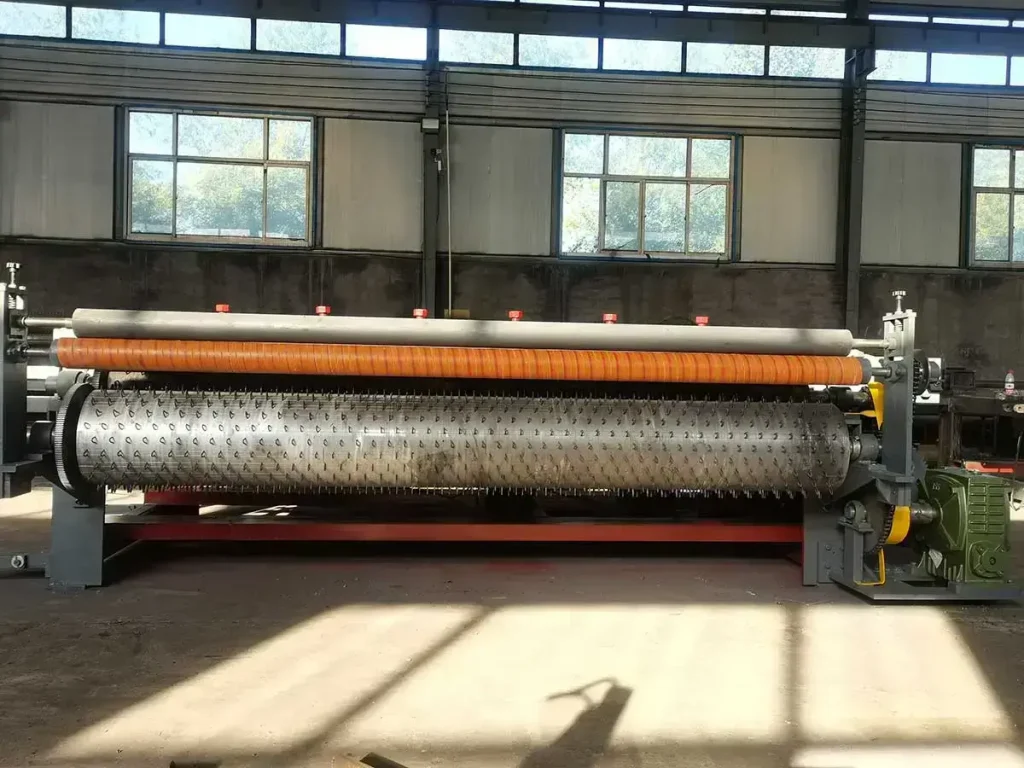
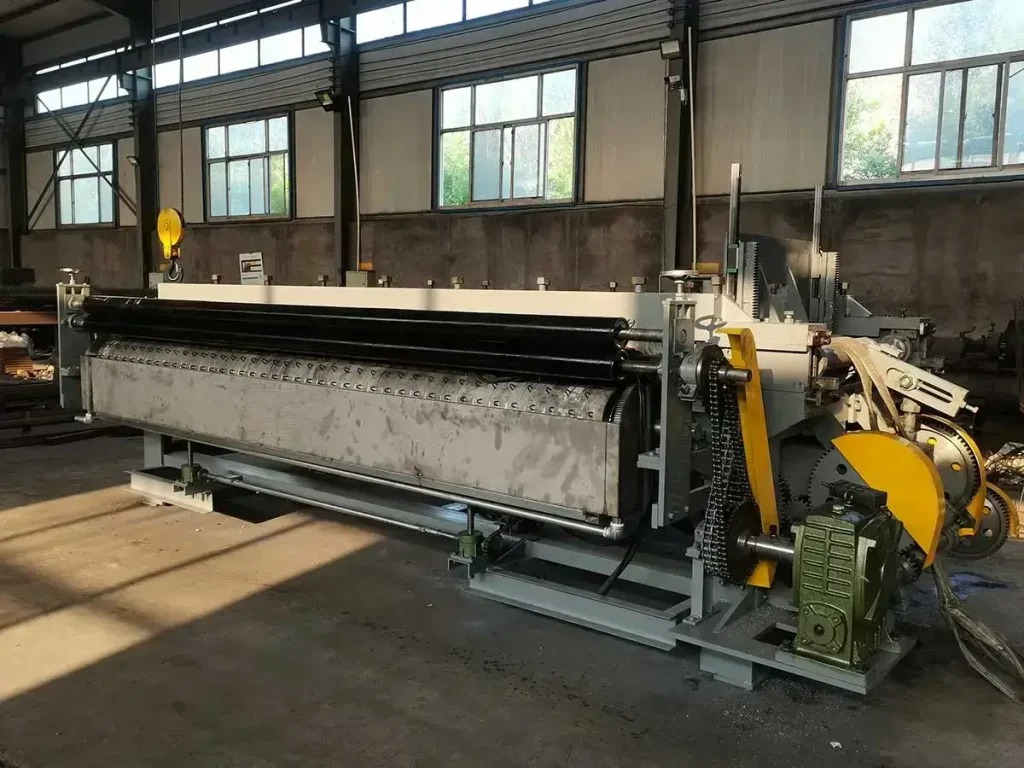
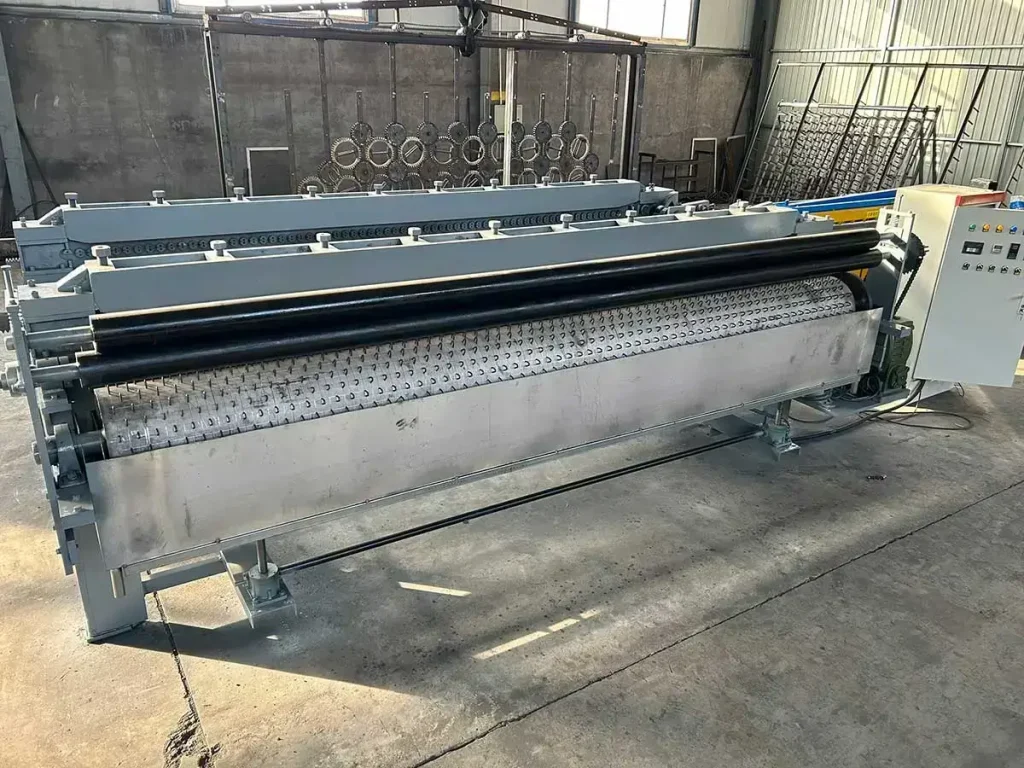
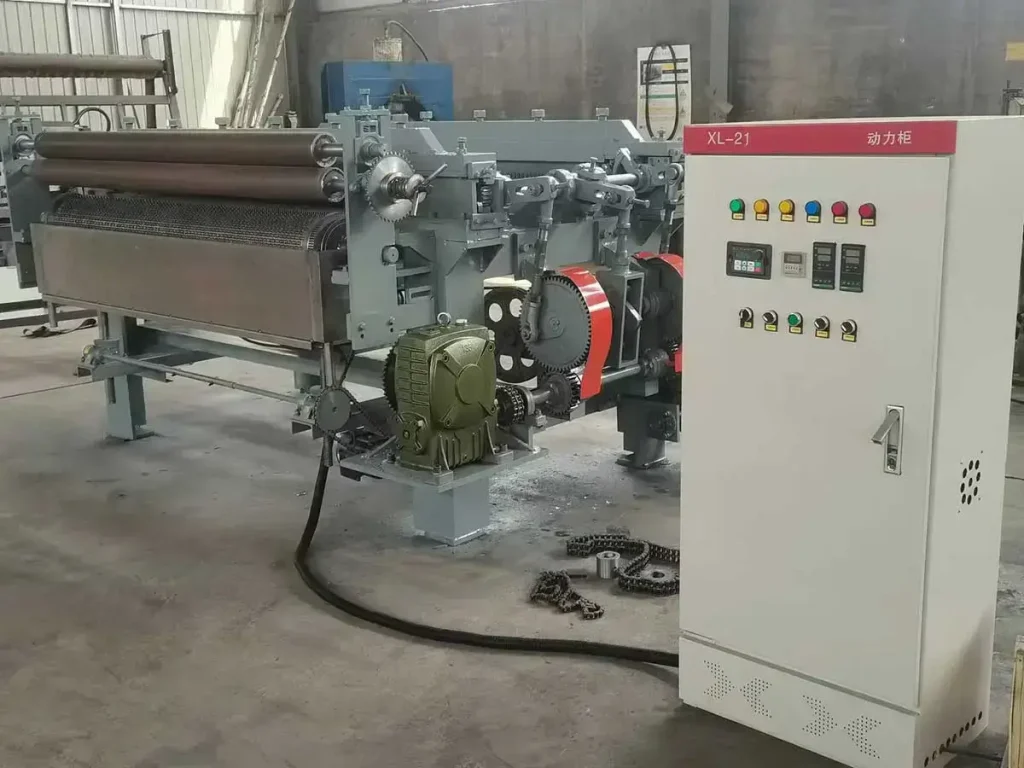
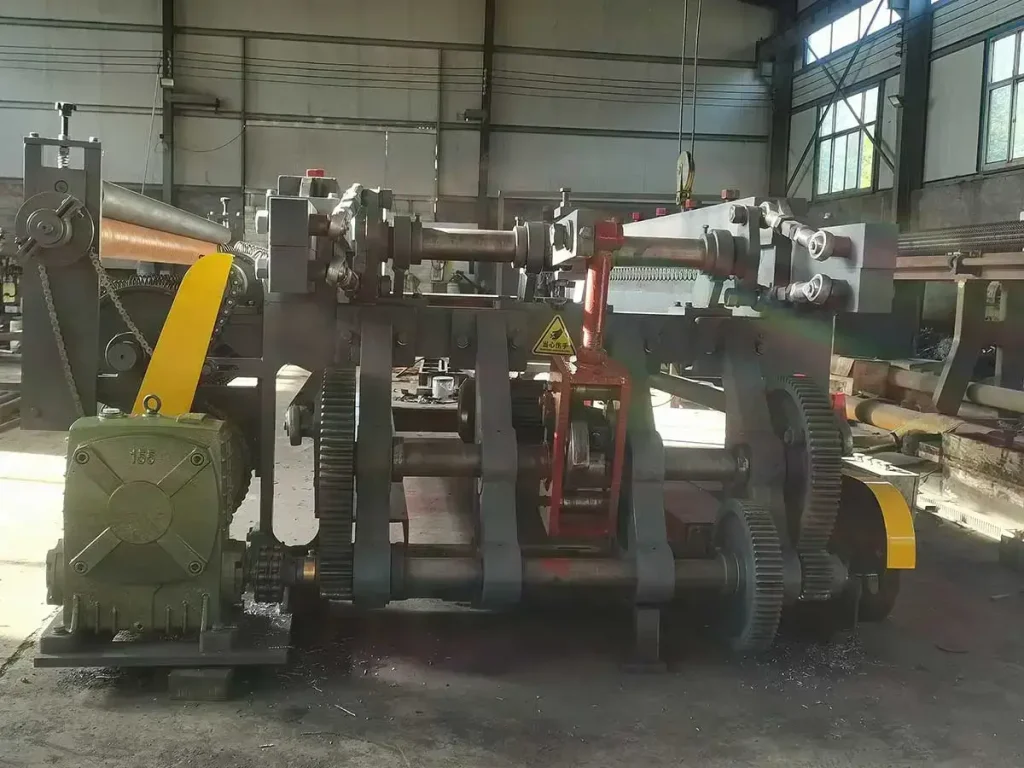
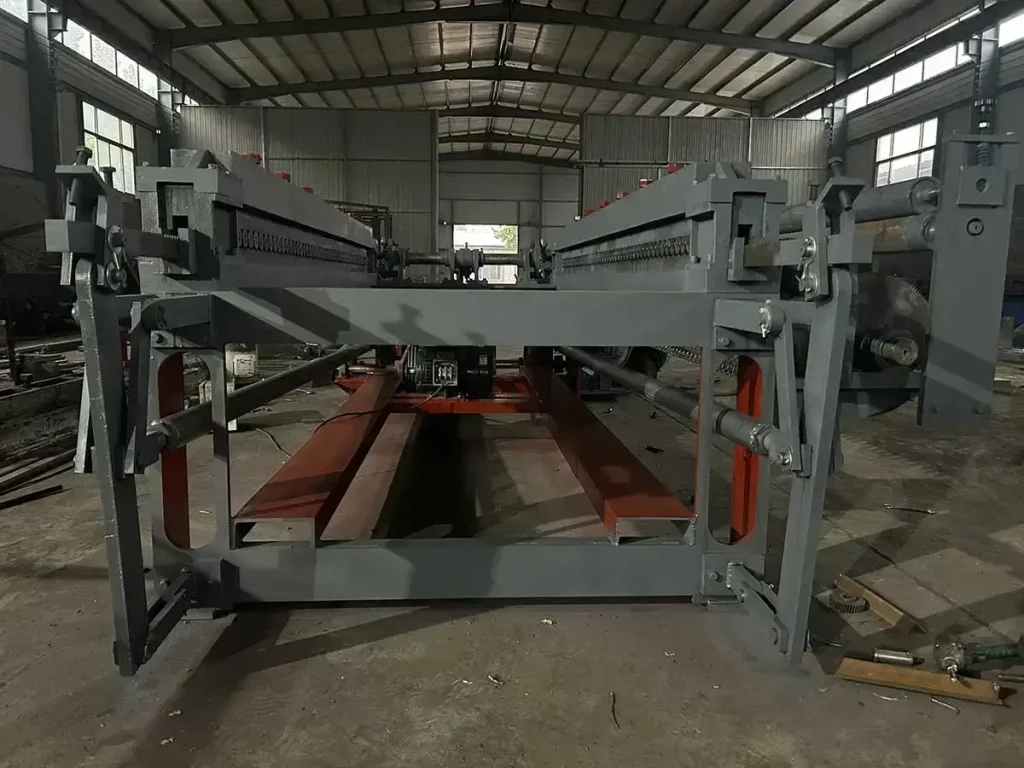
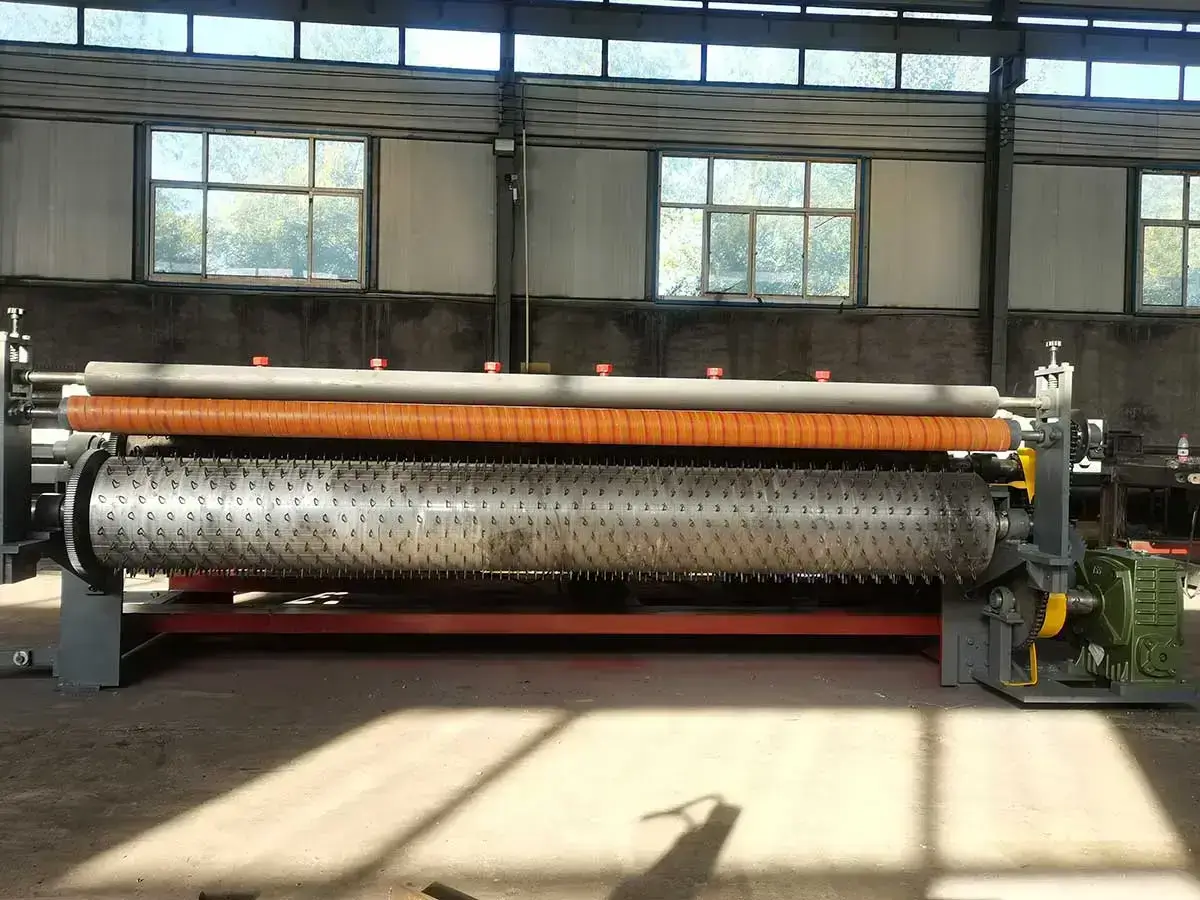
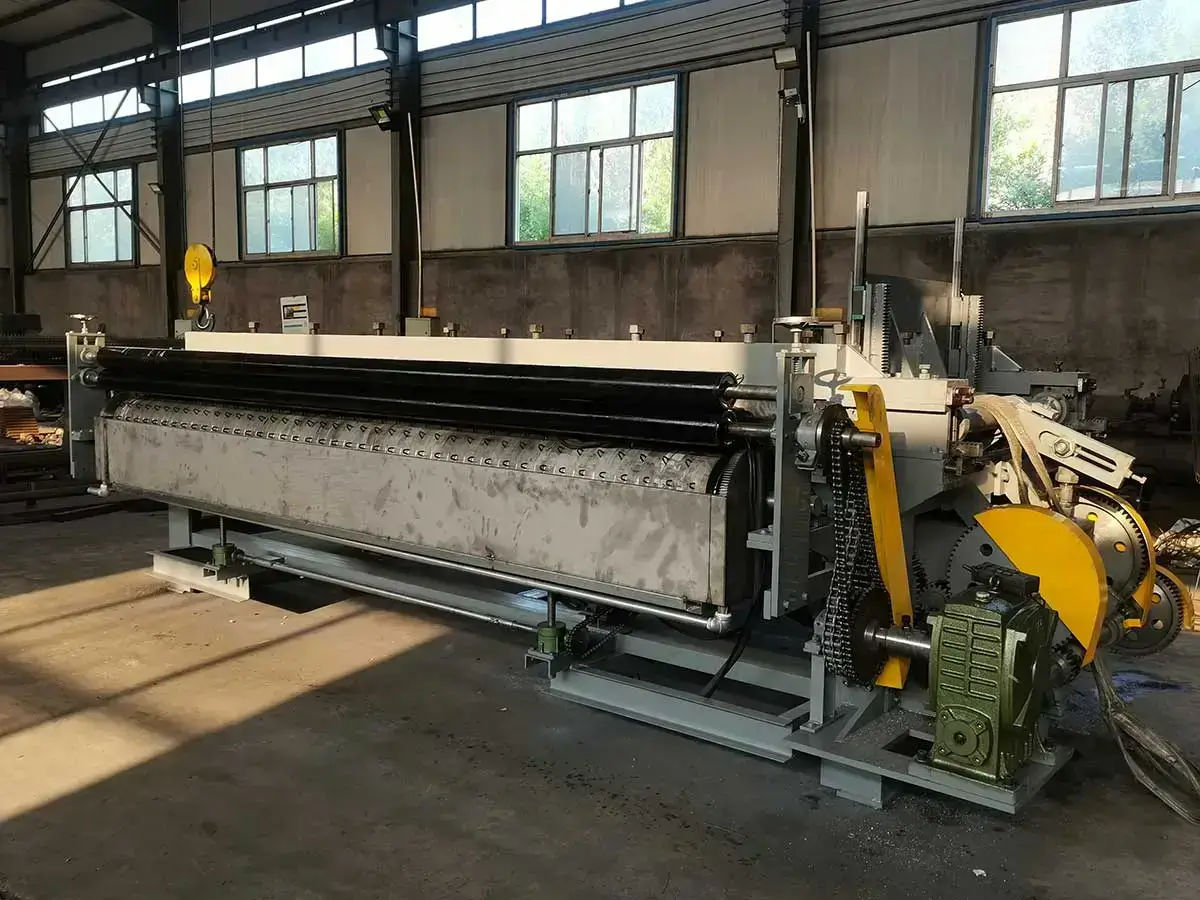
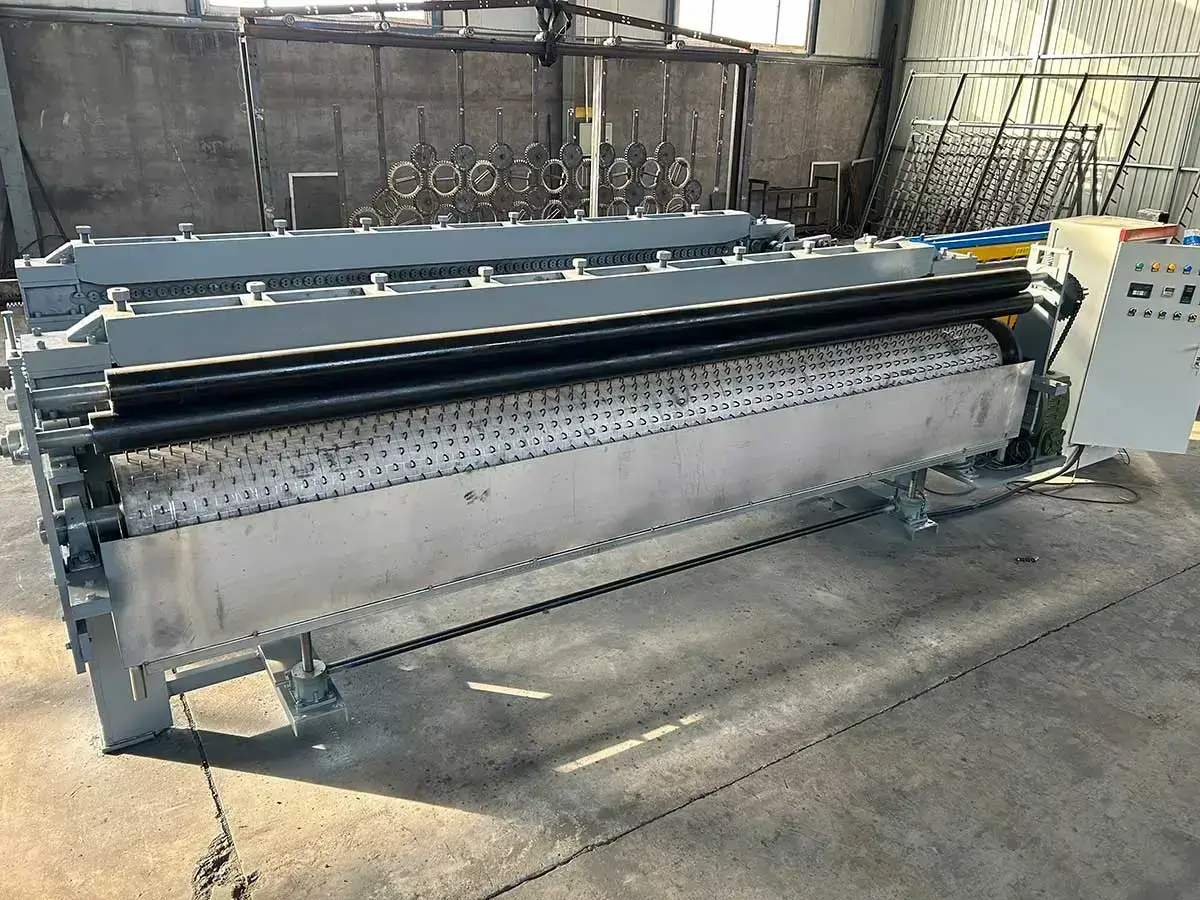
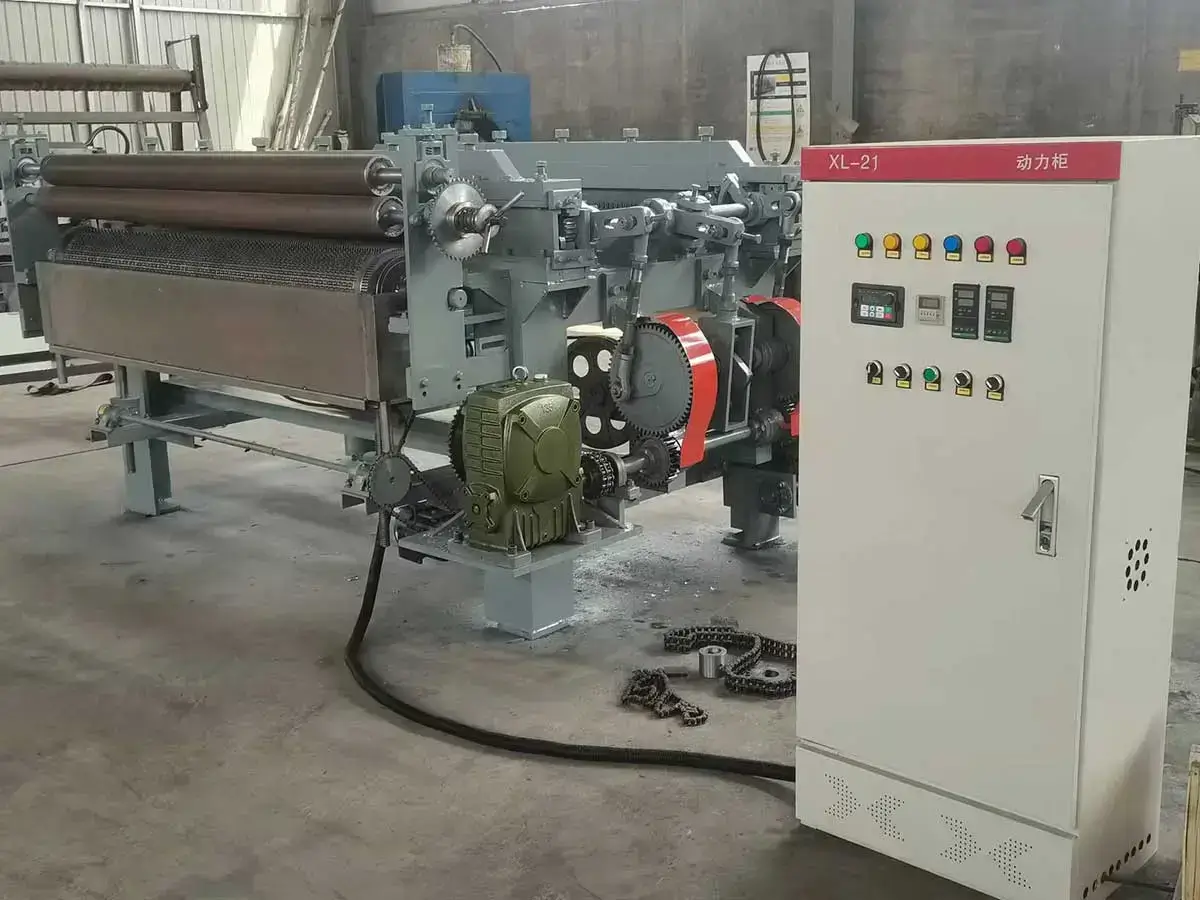
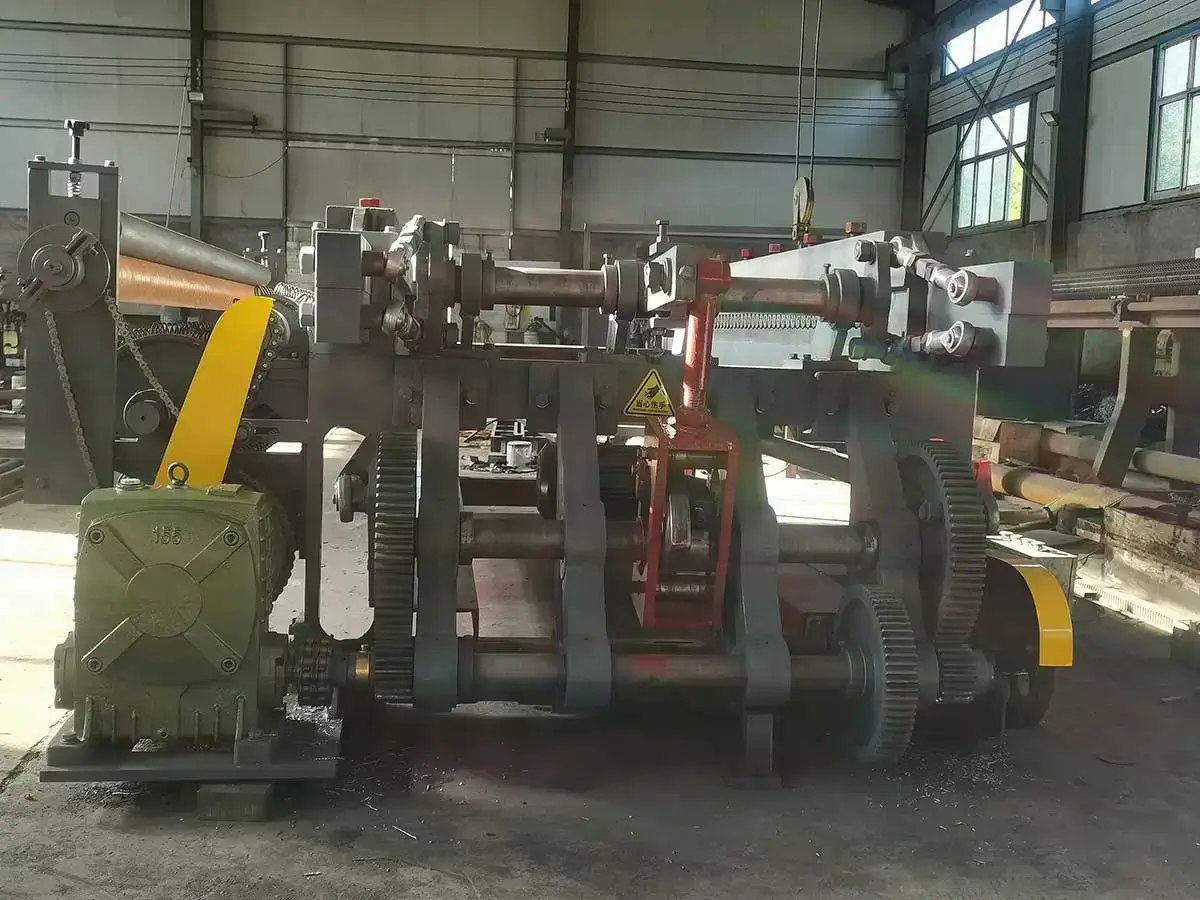
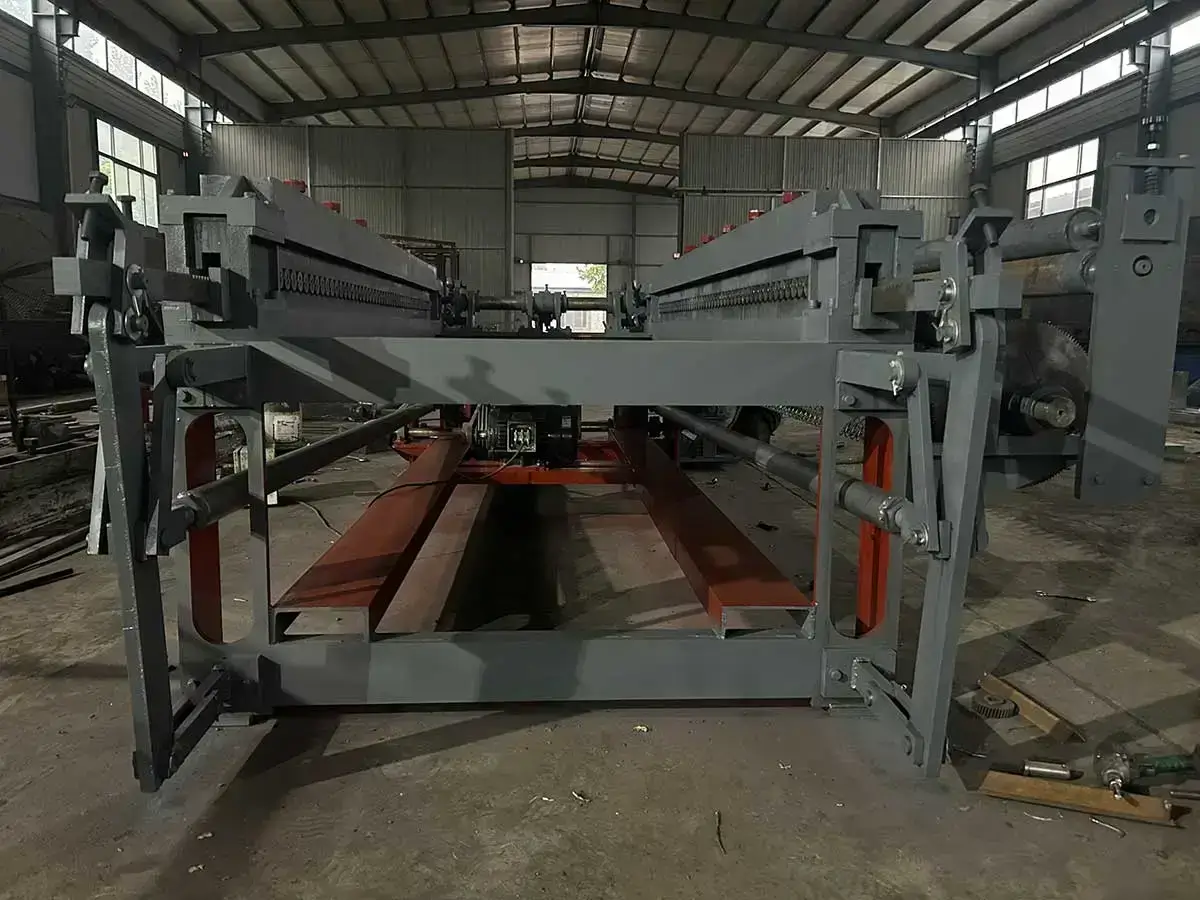
Used Horizontal Gabion Mesh Machine
Display PET Mesh
Ready to produce PET turtle-shell netting for your fish farm?
We customize machine setups to your exact requirements — send us your target mesh size, line diameter, and species, and we’ll deliver the optimal production solution.
Installation, Inspection & Maintenance Best Practices for PET Aquaculture Nets
Installation
Reinforce all net edges with steel cable or heavy-duty rope to distribute loads evenly and prevent stress concentration at ring connections.
Correct initial tensioning eliminates sagging and reduces wear — extending net service life from day one.
Routine Inspection
Quick surface checks to spot apparent abrasions or fouling.
Detailed structural inspection of knots, nodes, and edge connections.
Always inspect before and after storms or heavy vessel activity.
Early Damage Detection
Underwater robotic cameras can detect minor net damage to prevent it from worsening.
Equipped with repair tools, we can complete fixes on the same day to prevent fish escapes.
Emergency Response
At the first sign of a breach, isolate and stabilize the affected section immediately to prevent further propagation of the tear.
Apply a temporary patch, then replace or reinforce during scheduled maintenance.
Case Studies
Offshore Salmon Farm, Norway
Result: Net replacement cut by 50%, escape incidents near-zero.
Challenge: Frequent tears from currents and abrasion drove up replacement costs.
Solution: Installed PET turtle-shell netting from our hexagonal machine with edge cable reinforcement.
Tuna Nursery Pens, Atlantic
Result: 30% less maintenance time, escapes eliminated.
Challenge: Predator bites and swelling damage caused localized tearing.
Solution: Upgraded to denser PET mesh with modular repair patches and routine camera inspections.
Real project data and references available upon request. We can sign an NDA for detailed operational metrics.
Frequently Asked Questions
Get a Free Sample Net & Custom Quote
Alternative Contact WhatsApp: +86 17325299051 — Quick reply during business hours