PET Hexagonal Wire Mesh Machine
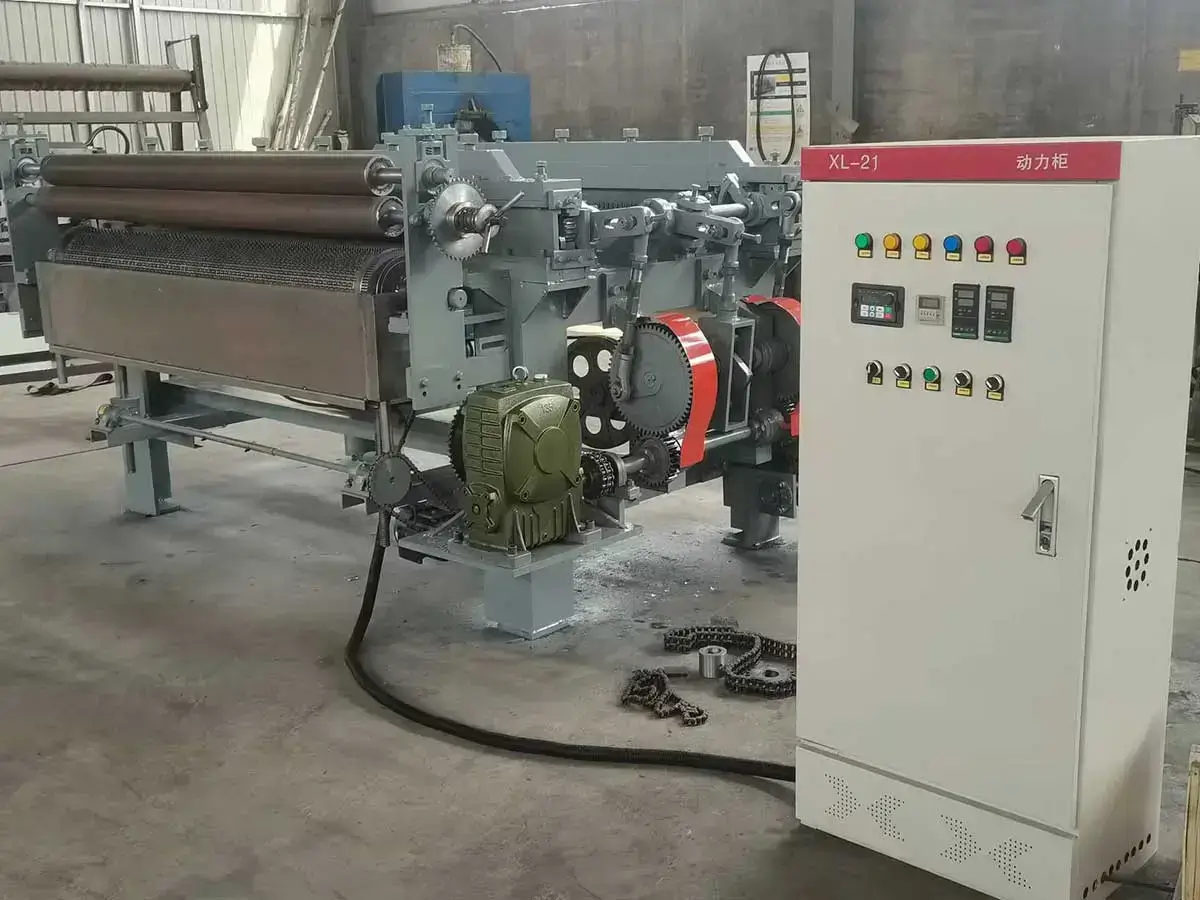
Production Equipment Overview
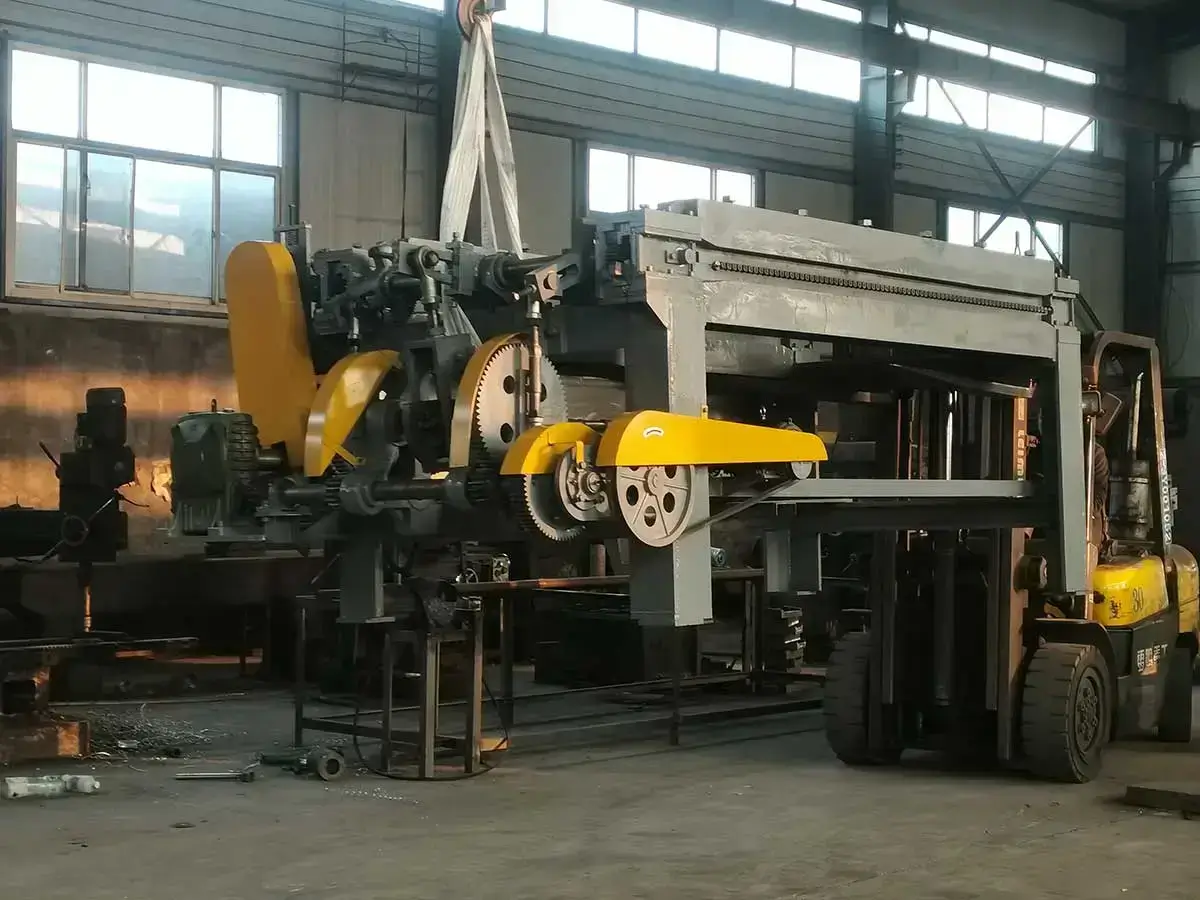
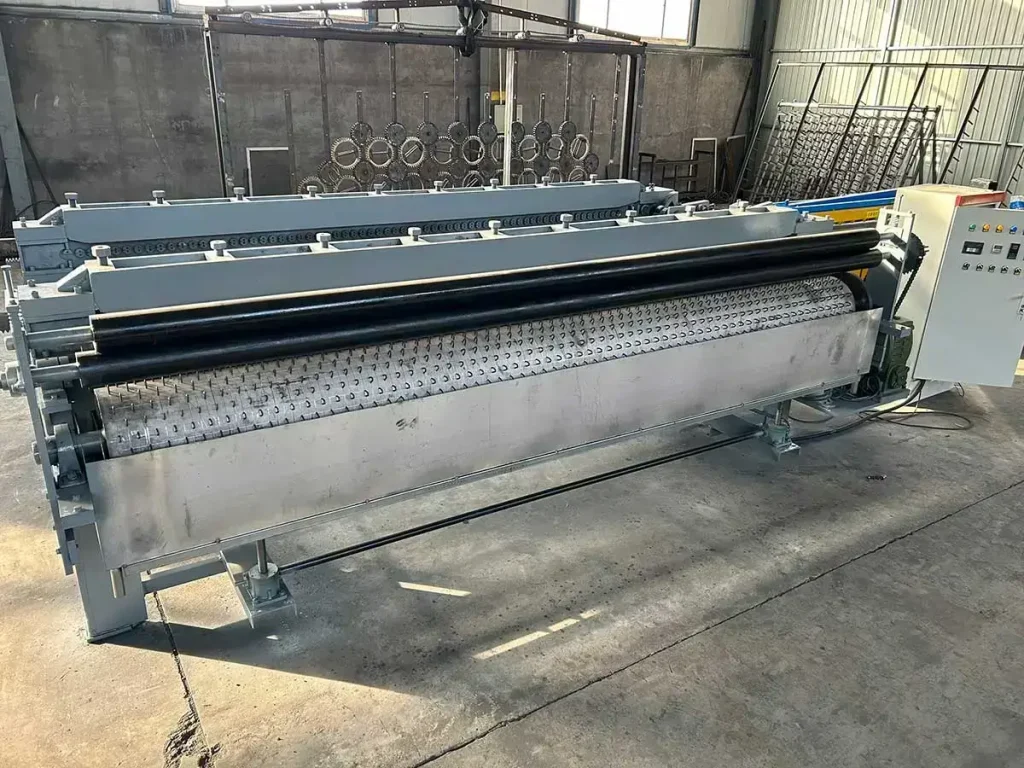
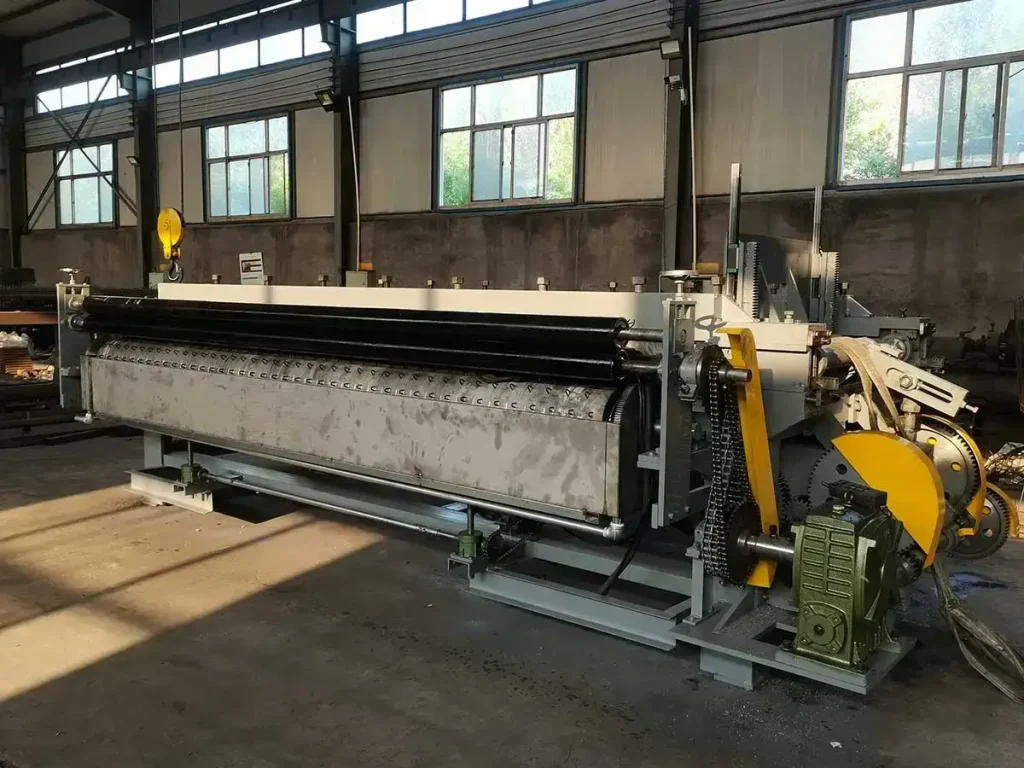
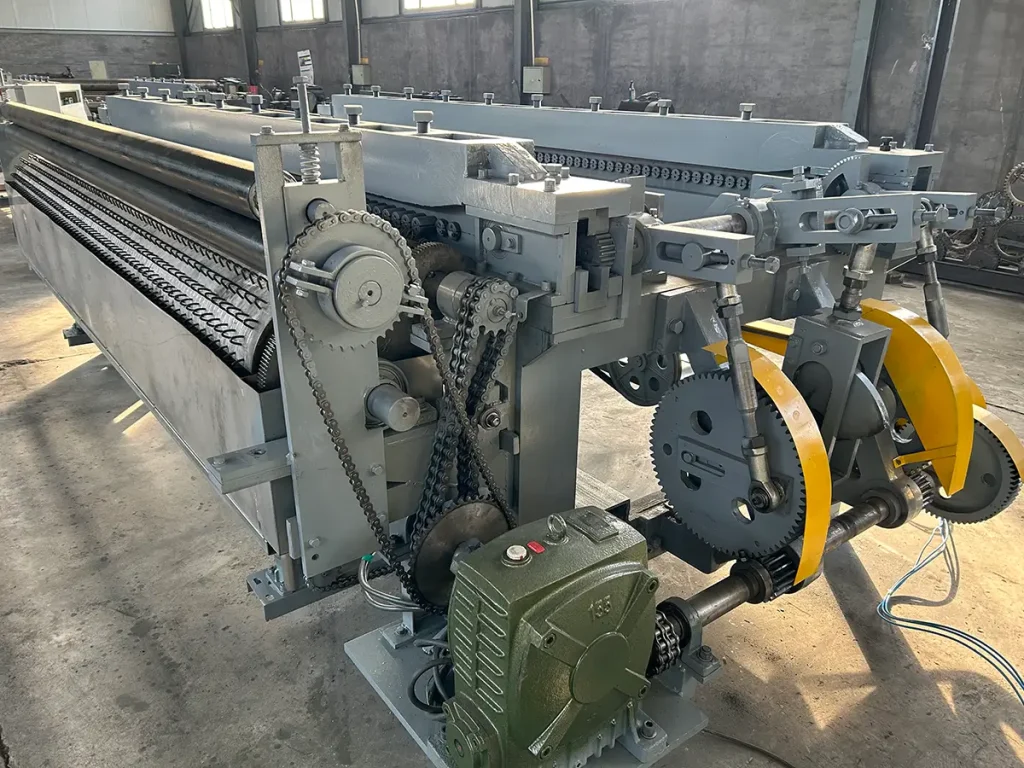
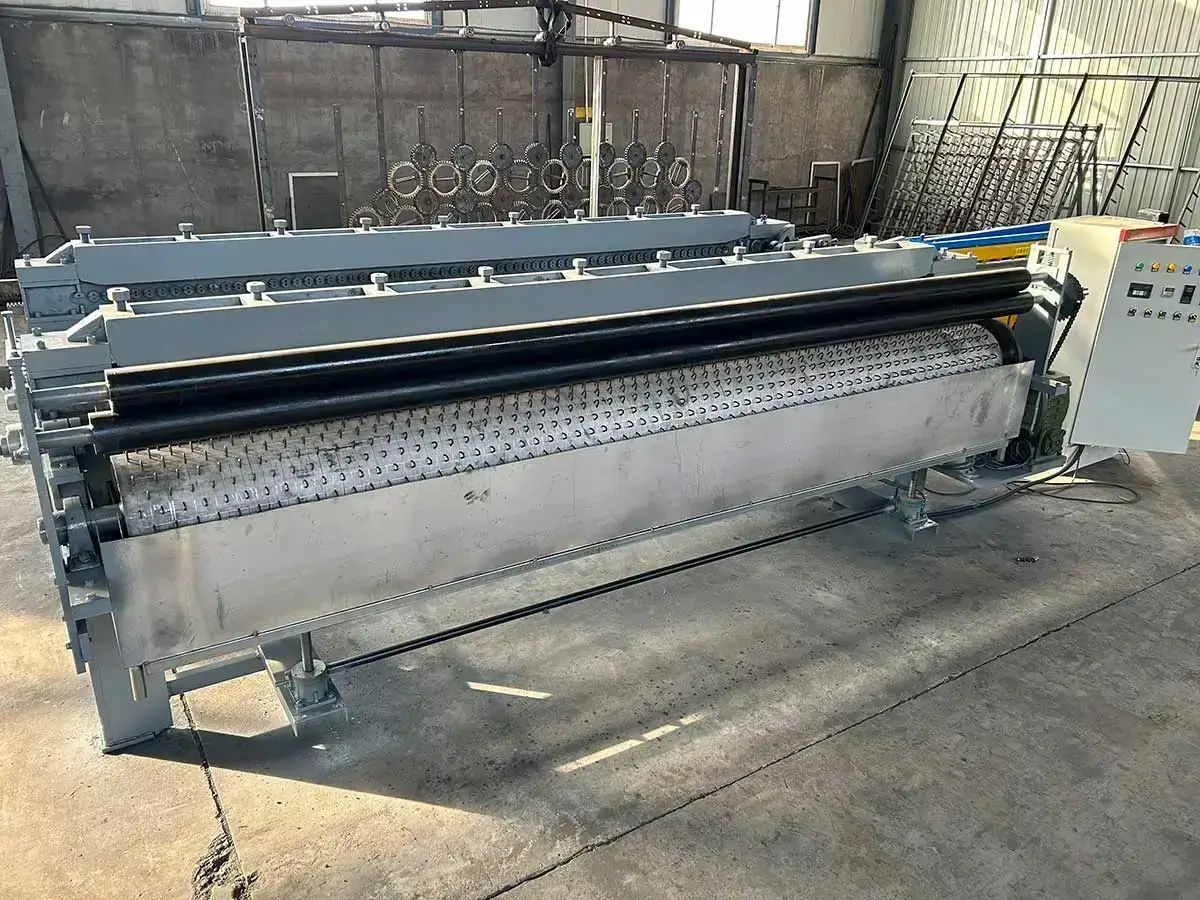
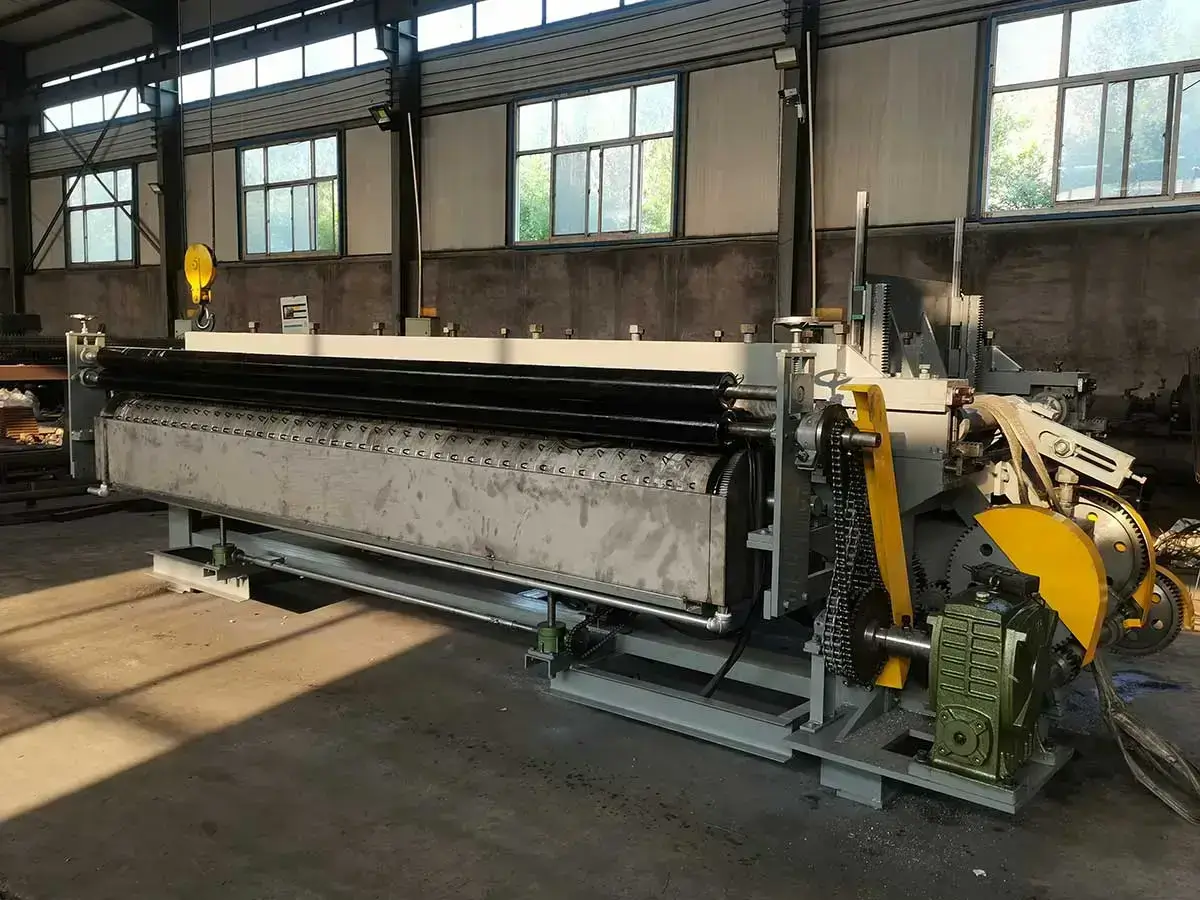
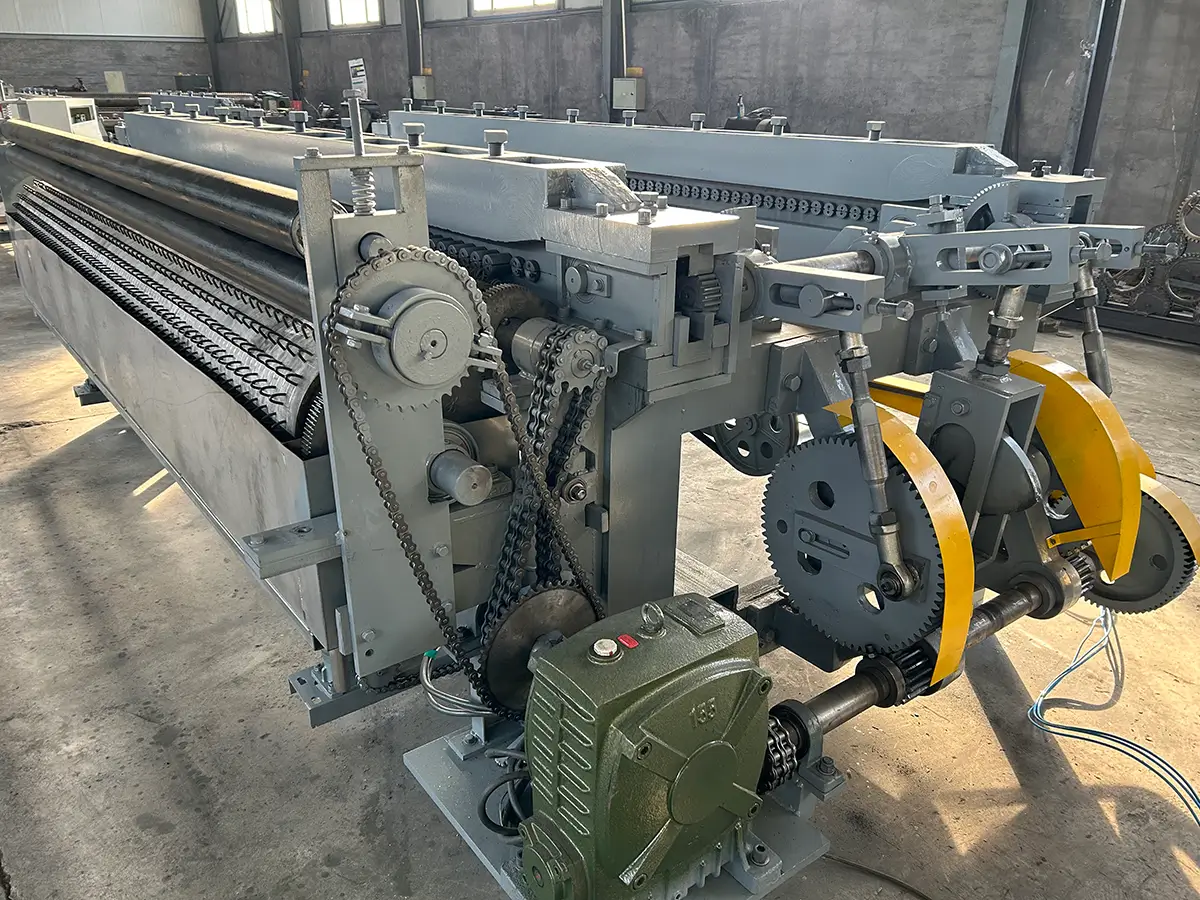
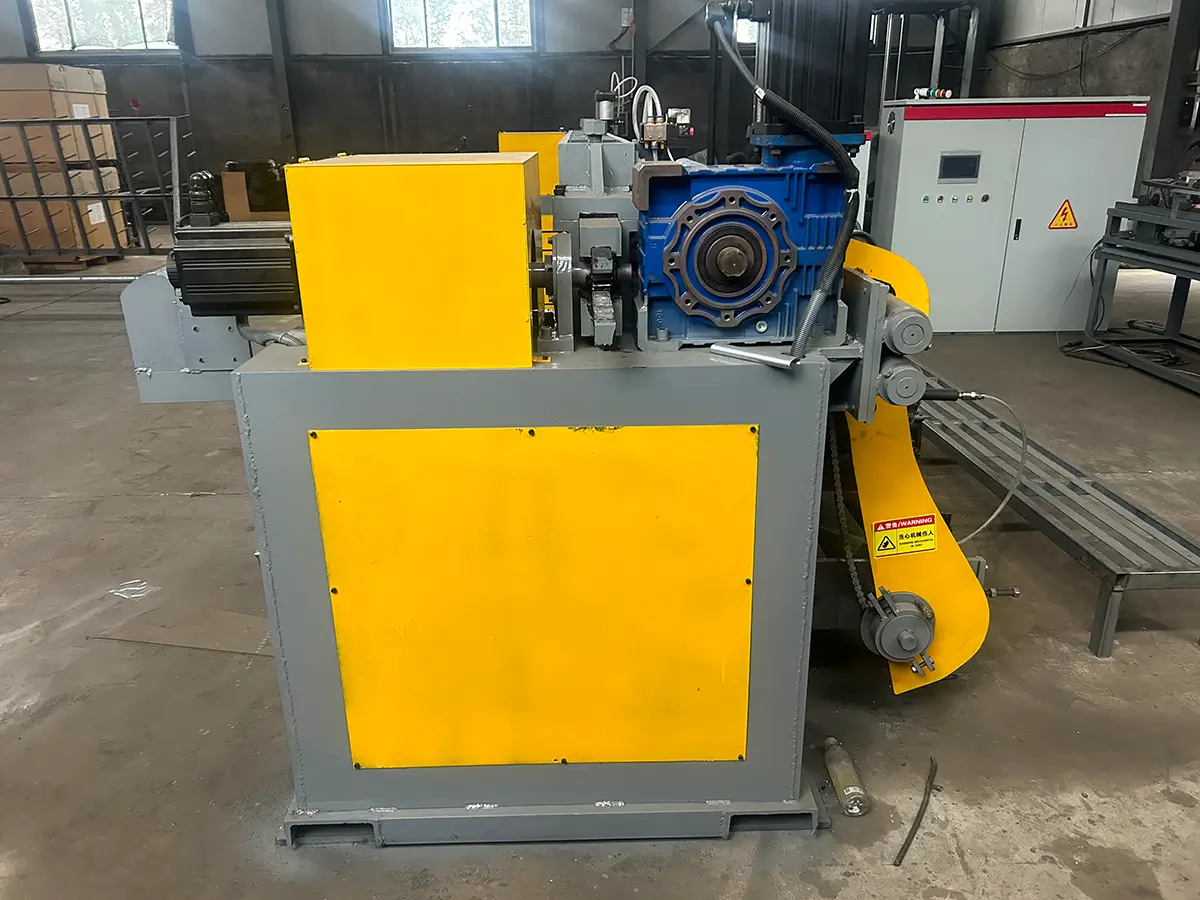
The YOUTE PET Hexagonal Wire Mesh Machine — also known as a hexagonal fish net making machine — is a dedicated weaving automation system built exclusively for PET polyester monofilament — purpose-engineered for corrosion-resistant, UV-stable mesh production where standard steel wire machines fall short.
The resulting mesh withstands prolonged seawater exposure, maintains structural uniformity under load, and is significantly lighter than equivalent galvanized steel — making it the material of choice for offshore fish cage netting, hydraulic revetment, and deep-sea aquaculture infrastructure.
PET Hexagonal Wire Mesh Machine Specifications
| Parameter | Specification |
|---|---|
| Raw material | PET polyester fiber wire |
| Wire Diameter | 2.0-4.0mm |
| Mesh Size | 30×40 mm, 40×43 mm, 50×71 mm, 80×100 mm, or as your request |
| Weaving Width | Max. 3,700 mm (custom widths available) |
| Twisted Number | 3 twists per node |
| Operating Speed | ≈ 18–25 mesh/min (depending on aperture) |
| Motor | 11kW |
| Voltage | Customized to local power supply standards |
| Dimension | Approx. 4.7–5.7 m × 2.4 m × 1.6 m (varies by weaving width) |
| Weight | Approx. 12–13 T |
Custom apertures and widths accepted. Submit your fish cage or application specification — we will confirm the correct configuration before order.
How It Works & Machine Structure
1. Wire Feeding

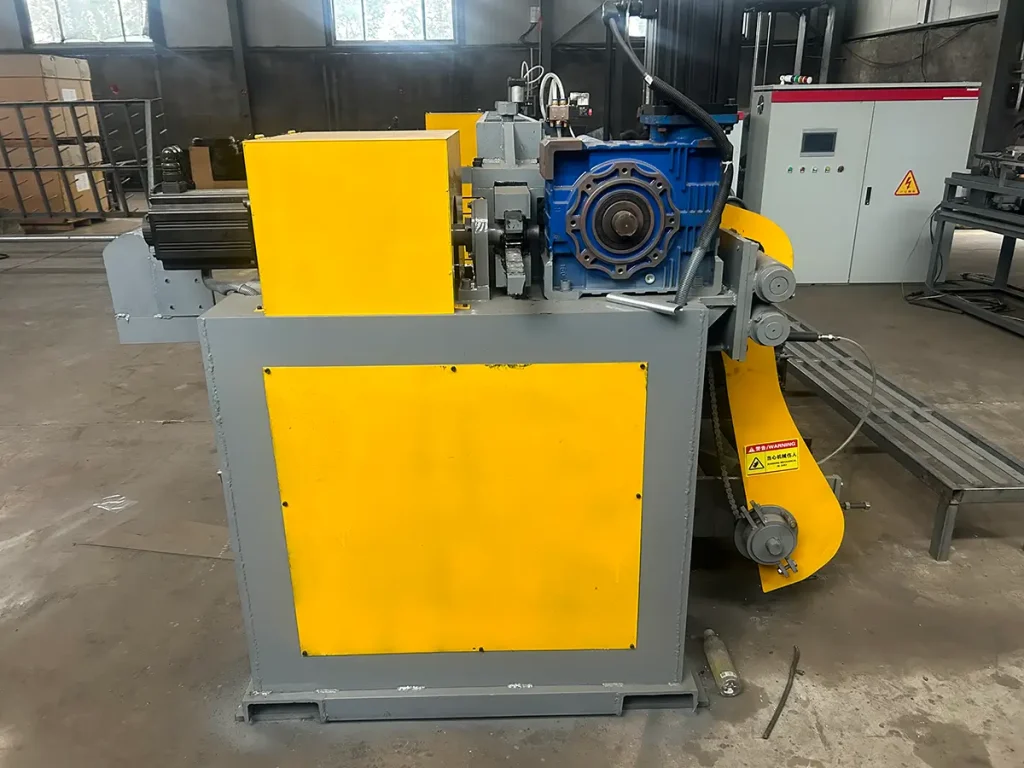
PET polyester monofilament is fed at a controlled, constant tension from the payoff rack into the weaving head — ensuring consistent fiber delivery throughout the run.
2. Twist-Forming
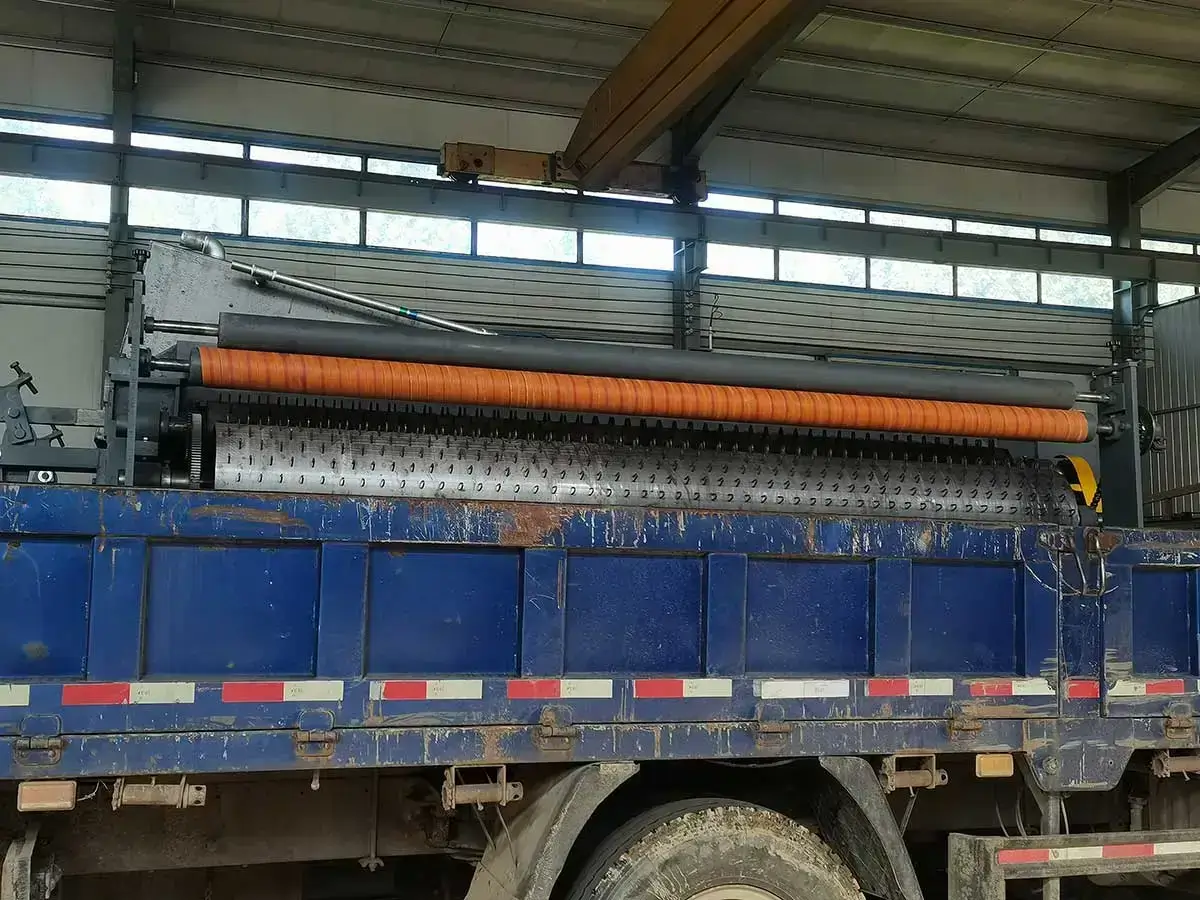
Upper and lower wire groups alternate in opposing twist directions, continuously interlocking to form standard hexagonal apertures with firmly bonded nodes.
3. Heat Softening

The woven mesh passes through a pre-heat zone, softening the PET fiber so the hexagonal geometry fully sets — locking in aperture dimensions before the mesh reaches the forming rollers.
4. Forming & Cooling
The mesh is pressed flat through calibrated forming rollers and cooled, locking in aperture dimensions and surface uniformity across the full weaving width.
5. Auto Take-Up
Finished mesh is automatically wound into full rolls by the take-up unit, ready for direct dispatch or downstream cutting and cage-forming.
6. Control Cabinet
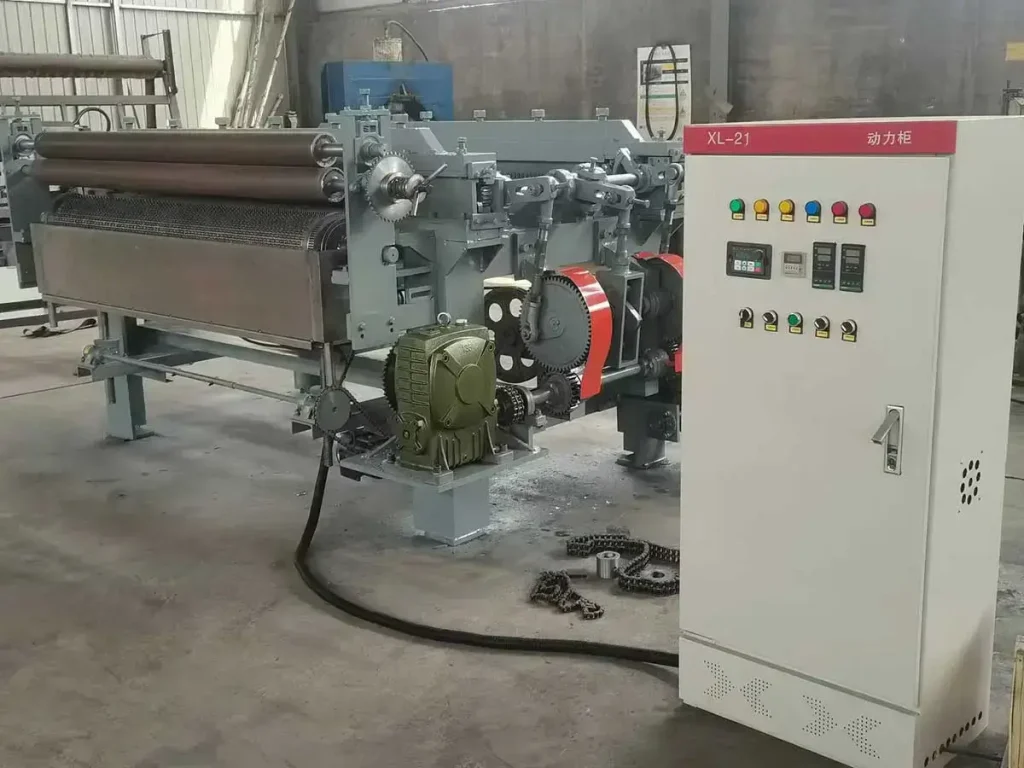
Touchscreen interface consolidates parameter adjustment, infrared wire-break detection, auto-stop, output counting, and variable-speed control in a single panel.
Production Line Layout and Workshop Requirements
The diagram below illustrates the recommended equipment sequence for a complete PET hexagonal wire mesh machine production line configured for aquaculture cage net manufacturing.

PET Hexagonal Wire Mesh Machine — Production Video
This footage shows the hexagonal fish net making machine running PET polyester fiber through a complete production cycle — fiber feed from the spool rack, active tension compensation across the full weaving width, and continuous mesh panel output through the heat-setting stage.
Why Choose the PET Hexagonal Wire Mesh Machine
Steel hex mesh has a corrosion clock. PET doesn’t. For facilities supplying aquaculture, hydraulic engineering, or marine construction markets, this machine is the production foundation for a permanent shift to polymer mesh — lower maintenance overhead and a material that outlasts the infrastructure it protects.
The Case for PET: Material That Outlasts the Infrastructure
Galvanized steel mesh degrades from the moment it enters water. Standard hot-dip galvanized wire typically lasts 2–10 years submerged; even high-thickness zinc-aluminum alloy coatings extend that to 20 years at best — after which replacement, not repair, is the only option.
PET (polyester) mesh operates on a different timeline entirely. Chemically inert and structurally stable, PET does not rust, rot, or react to acid, alkali, or UV exposure. Tensile strength and mesh geometry remain intact after decades of continuous submersion. Independently verified service life: 50+ years underwater.
For aquaculture operators and hydraulic engineering contractors, this is not a marginal improvement — it is a fundamental shift in how infrastructure is costed and maintained.
Built for the Markets That Can’t Afford Failure
PET hexagonal mesh has become the material of choice across the industries where corrosion failure carries the highest consequences:
Aquaculture & Deep-Sea Farming
In Southeast Asia and East Asia — Vietnam, Indonesia, Thailand, the Philippines, and Japan — dense aquaculture operations face typhoon-force wave loads and aggressive saltwater exposure year-round. PET net cages hold structure where galvanized alternatives corrode and collapse. In Chile, Ecuador, and Norway, where salmon and premium seafood farming operates at scale, the shift to polymer mesh is already well underway.
Marine Ranch & Artificial Reef Construction
As marine ecological restoration expands across Asia-Pacific, PET mesh is being specified for artificial reef frameworks and marine habitat structures — environments where any metal corrosion product compromises the biological objective.
Machine Performance Matched to Production Demand
Two configurations. One production line logic.
Standard mechanical models run at 15–18 cycles per minute — consistent, reliable output for steady-volume facilities entering the PET mesh market.
PLC-driven models reach 18–20 cycles per minute, with precise electronic speed control and faster response across extended production runs.
Both models are engineered for continuous-shift operation.
Operational Efficiency: Less Labour, More Output
Infrared wire-break detection monitors every strand in real time. The moment a filament fails, the machine stops automatically and alerts the operator — no manual inspection cycles, no undetected defect propagation through a production run.
Servo-drive stability means one operator can manage multiple machines simultaneously. Where conventional equipment requires dedicated per-machine attention, a YOUTE line runs with one to two operators overseeing the full production floor.
The Transition Case: New Line or Retrofit
YOUTE PET hexagonal wire mesh machines are designed for two customer profiles:
1. Dedicated mesh producers building new capacity around polymer net products — aquaculture net cage manufacturers, hydraulic engineering suppliers, and marine construction contractors already serving the markets above.
2. Steel wire mesh facilities are looking to add PET capability as a distinct profit centre. Existing galvanized hex mesh lines cannot be converted to PET production, but the market logic is straightforward: the same end customers who currently buy steel mesh are being asked for PET alternatives. The equipment investment opens that conversation.
In both cases, a dedicated new machine is the recommended path. The operational economics of PET — lower maintenance overhead for end users, longer replacement cycles, premium positioning against galvanized alternatives — support the capital case from day one.
YOUTE PET Hexagonal Wire Mesh Machine. Built for environments where metal stops working.
Packaging & Shipping
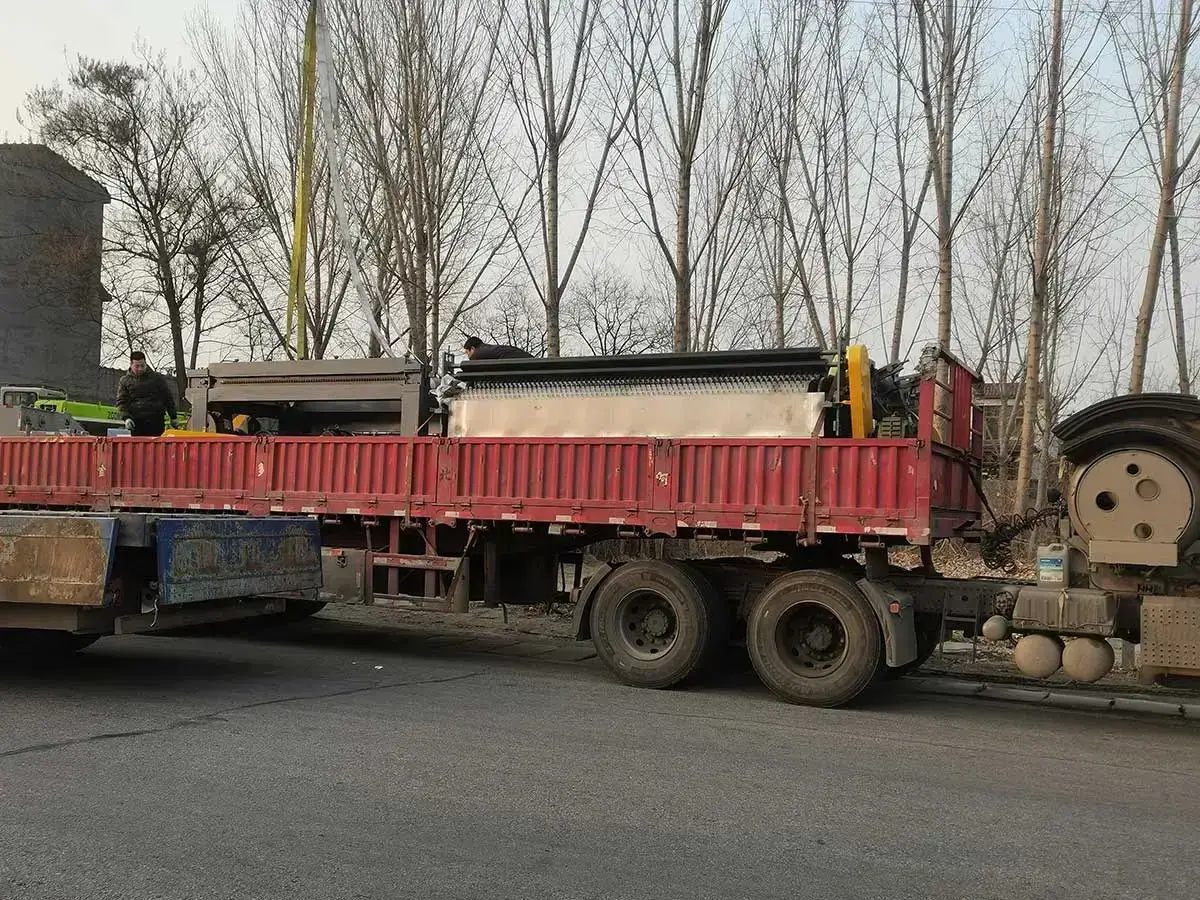
Every hexagonal fish net making machine is prepared for international freight at our facility. The heat-setting unit, tension compensation system, and control panel receive additional protective packaging — anti-static wrapping and shock-absorbing foam — to protect specialized PET-specific components during sea freight and multimodal transport.
Production lead time is 15–25 days from order confirmation. Our logistics team coordinates sea freight booking and provides shipment tracking and port arrival notification through to destination.