
3 Hexagonal Wire Mesh Machine Models

Auto Hexagonal Wire Mesh Machine
Forward-and-reverse twist technology for fast, stable mesh production — ideal for fencing, poultry, and horticulture applications at any scale.
PET Hexagonal Wire Mesh Machine
Purpose-built for polyester monofilament, delivering corrosion-resistant, UV-stable mesh for deep-sea aquaculture and ecological slope protection.
Small Hexagonal Wire Mesh Machine
Purpose-built for fine mesh production, delivering apertures down to 3/8″ (10 mm) that standard hexagonal wire mesh machines cannot achieve.
How to Choose the Right Hexagonal Mesh Machine
Choosing the right machine depends primarily on three factors: the type of wire used for weaving, the wire diameter, and the required output per shift. You can follow the steps below to make a preliminary assessment.
Step 1: Compare All 3 Models: Specs, Wire Range, and Investment Level
| Parameter | Automatic Hexagonal Wire Mesh Machine | PET Hexagonal Wire Mesh Machine | Small Hexagonal Wire Mesh Machine |
|---|---|---|---|
| Primary Use | Chicken wire, poultry netting, agricultural fencing, decorative mesh | Fish farming cages, aquaculture nets, coastal ecological mesh | Rabbit netting, fine poultry cage mesh, garden protection |
| Control System | PLC + Touchscreen | Mechanical drive (PLC optional) | Mechanical drive (PLC optional) |
| Mesh Size | 1/2″ to 4″ | 30 * 40 mm to 80 * 100 mm | 3/8″ to 2″ |
| Wire Diameter | 0.36 mm to 2.0 mm | 2.0 mm to 4.0 mm (PET polyester only) | 0.36 mm to 1.5 mm |
| Raw material | Galvanized, PVC-coated, copper wire | PET polyester wire | Galvanized, PVC-coated, copper wire |
| Twist Type | Forward-reverse twist | 3-twist | 3-twist or 5-twist |
| Mesh Width | Max. 4,700 mm | Max. 3,700 mm | Max. 2,300 mm |
| Production Efficiency | 60-180 m/hour | 18-25 mesh/min | 50-70 mesh/min |
| Motor | 7.5kW + 3.8kW + 3.8kW + 3.8kW | 11kW | 2.2kW |
| Machine Weight | 3.5T | 12T | 2.5T |
| Procurement costs | Mid-range | Higher | Lowest |
| Best For | Scaling producers, multi-spec lines | Aquaculture, coastal applications | Startups, fine mesh, small floor space |
Step 2: Choose Your Material — This Decision Shapes Everything That Follows
What wire or filament will your mesh be made from? The answer determines your machine selection before anything else.
Steel wire (galvanized / PVC-coated / copper / annealed)
Both fully automatic and small-format hexagonal mesh machines handle all four steel wire types. The deciding factor is mesh opening size: if your target aperture is smaller than ½ inch, a small-format machine is the better choice — it offers more precise tension control at finer gauges.
PET polyester filament (for seawater and corrosive environments)
PET is soft and has low elasticity — physically quite different from steel wire. Standard wire mesh machines use a tension control mechanism that cannot accommodate PET filament; no modification or upgrade changes this. PET hexagonal mesh machines are purpose-built for this material, equipped with a heat-setting unit and a tensioned pay-off stand. For PET mesh production, they are the only reliable option.
Step 3: Mechanical Drive or PLC Control? Match Your Automation Level to Output and Maintenance Capacity
Your daily production target and your team’s technical capability will determine which control system suits you best.
Mechanical drive
Lower upfront cost and straightforward to operate. The machine runs entirely on gears and linkages, so maintenance staff only need basic mechanical knowledge. Changing gear sizes adjusts weaving parameters such as the number of turns per mesh opening. Best suited to single-specification production at steady, moderate output.
PLC control (CNC type)
Higher equipment cost, but easier to standardize across operators. Staff can adjust production speed and turns per mesh opening in real time via the HMI touchscreen. Built-in output counters and fault alerts keep key parameters logged and traceable, allowing new operators to get up to speed quickly without relying on experienced technicians. The right choice for two-shift operations or high-volume continuous production, and for factories where retaining skilled mechanical staff is a challenge.
Not sure which model fits your operation?
Tell us your wire type, mesh size, target daily output, and budget range — we’ll return a specific recommendation with configuration rationale within one business day.
Every Machine Is Built to Order
Every YOUTE hexagonal wire mesh machine is custom-configured. Before production starts, we confirm five specs with you in writing: wire diameter, mesh size, weaving width, control system, and voltage.
Hexagonal Wire Mesh Machine Wire Diameter
Wire diameter is the first variable that determines the machine model and cost. Thicker wire requires more torque, heavier mechanical components, and higher motor power.
Steel wire range by model:
Small model: 0.36 – 1.5 mm
CNC model: 0.36 – 2.0 mm
PET filament range:
PET model: 2.0 – 4.0 mm (PET fiber only — not compatible with steel wire)
If your specification allows a lighter gauge without compromising structural performance, choosing the thinnest wire that meets your requirement is the most direct way to reduce machine cost.
Hexagonal Mesh Opening Size
Standard and custom sizes both available.
One machine = one mesh size — multiple apertures need separate machines, quoted individually.
Maximum Mesh Width
Weaving width determines the maximum roll width your machine produces in a single pass.
A wider machine increases daily output and lowers per-unit production cost, but requires more floor space and carries a higher capital cost.
Confirm the maximum roll width your customers require before specifying width — investing in capacity beyond your actual requirement adds cost without adding usable output.
Custom widths are available within the design envelope of each model.
Control System and Voltage
All models ship pre-wired for your factory’s local voltage — confirm your specification (220V / 380V / 415V / 480V, 50Hz or 60Hz) at the time of order. No field rewiring required on arrival.
The mechanical range uses a relay-based control panel: straightforward to operate and maintain without specialized training.
Upgrading to a PLC system adds automatic start/stop, production counter, and fault alarm functions — significantly reducing reliance on experienced operators for routine monitoring.
Selling Under Your Brand?
We supply OEM and white-label machines to buyers who resell under their own name.
Pick your machine color (send us a RAL code), apply your logo, and we’ll ship with your branding on the machine and packaging.
Lead time stays at 45 working days — branding doesn’t slow production. Just include your vector logo and color code at order confirmation.
Send us your wire type, diameter range, and target output — we’ll return a model recommendation with configuration rationale within one business day.
Why Manufacturers Choose YOUTE for Hexagonal Wire Mesh Machines
YOUTE Machinery — hexagonal wire mesh machine manufacturer since 2015. Every machine is designed, machined, assembled, and tested at our Hebei facility before it ships. Factory-direct to buyers in 30+ countries.
Custom-Configured to Your Specification
Wire diameter, mesh aperture, weaving width, PLC brand, and voltage — all confirmed before production begins. We manufacture for standard chicken wire rolls as readily as custom fish farming cage specifications other manufacturers have declined to quote.
Running in 30+ Countries
From Poultry Farms to Offshore Fish Cages — YOUTE hexagonal machines produce chicken wire for Southeast Asian livestock farms, poultry netting for African agricultural markets, and PET aquaculture nets for coastal fish farming operations in South Asia.
Support That Keeps Your Production Line Running
Remote commissioning via WhatsApp video call gets most installations done within 1–3 working days. Genuine spare parts are dispatched from our Dingzhou facility throughout the machine’s service life. For producers running 24-hour shifts, that matters.
Tomorrow’s Answer, Today’s Inquiry
Send us your wire material, diameter range, mesh size, and daily output target. By the next business day, you’ll have a model recommendation with full configuration rationale — including fine-gauge specs down to 0.36 mm and non-standard apertures other manufacturers won’t quote.
Configured for Your Mesh, Your Wire, Your Market
Wire diameter (0.36–4.0 mm), mesh opening (3/8″–4″), twist type (3-twist or 5-twist), weaving width, PLC brand, and voltage — all confirmed before production. Your machine arrives ready for your wire and your product, not a generic default.
Machined In-House. Load-Tested Before Shipping.
Weaving heads (the component most responsible for mesh uniformity), gearbox housings, and drive shafts are CNC-machined at our Dingzhou facility. Every machine completes a full production-speed run-off against your specification before it enters the crate. Run-off report available on request.
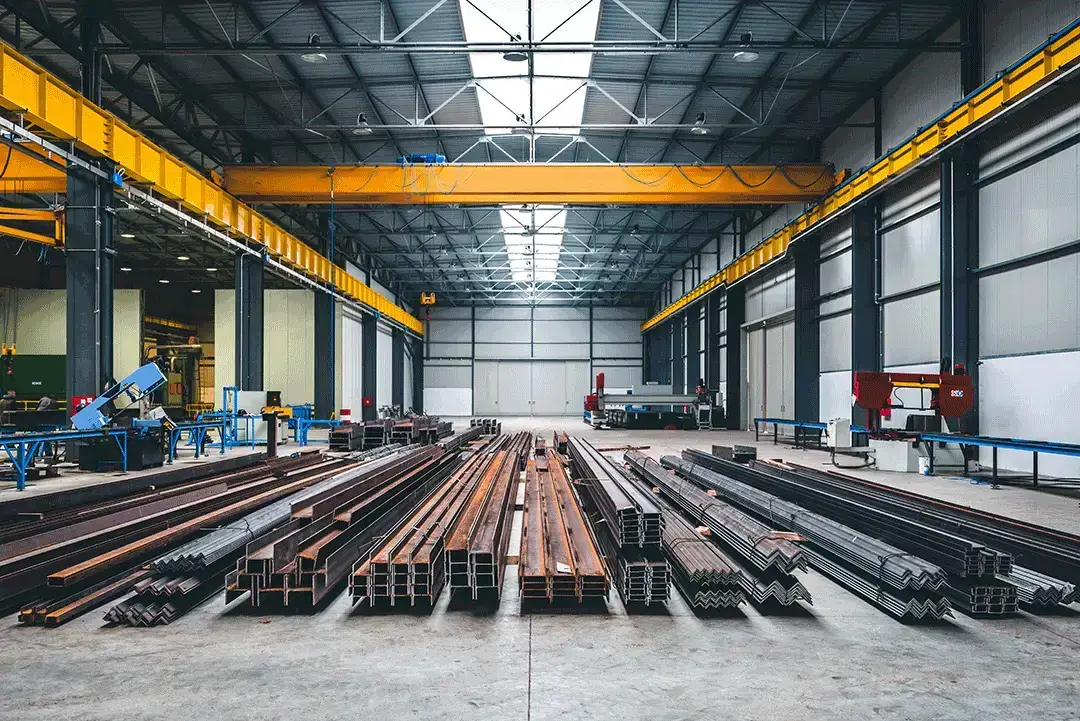
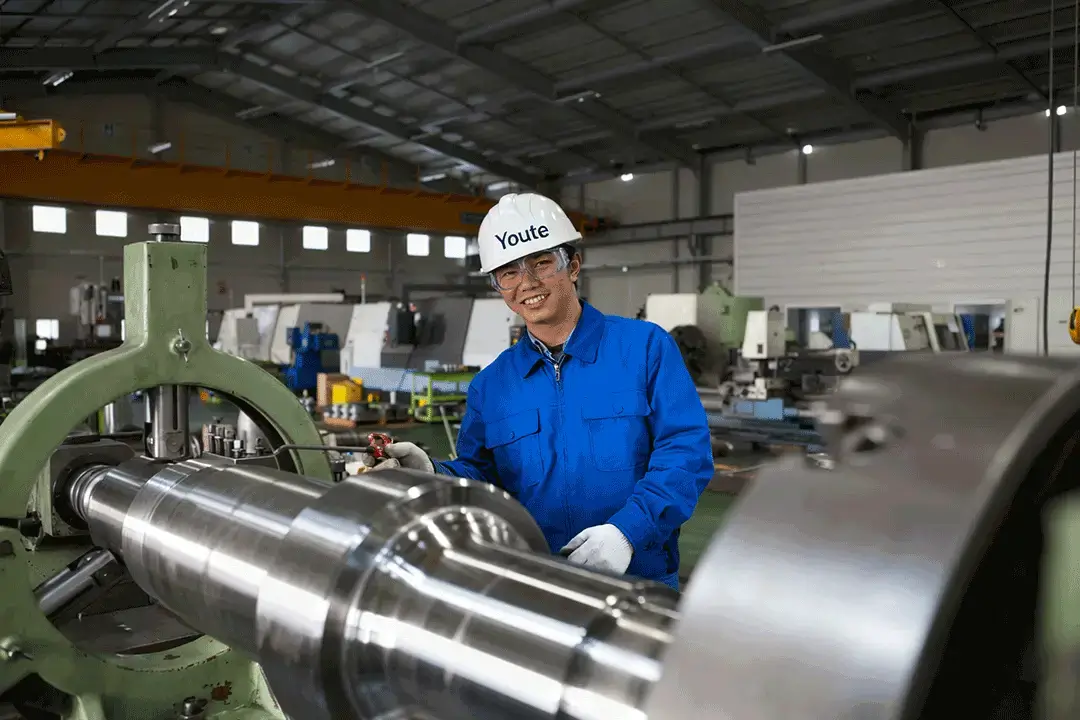
Built In-House for Hexagonal Mesh Machine Production — Tested at Operating Load Before Shipment
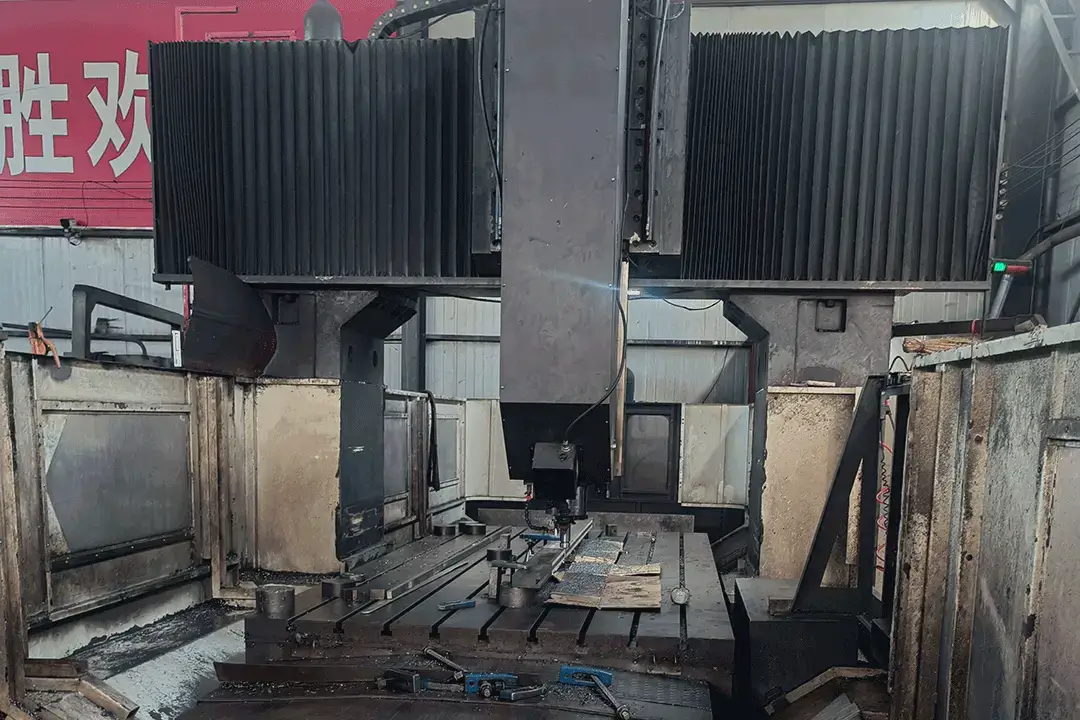
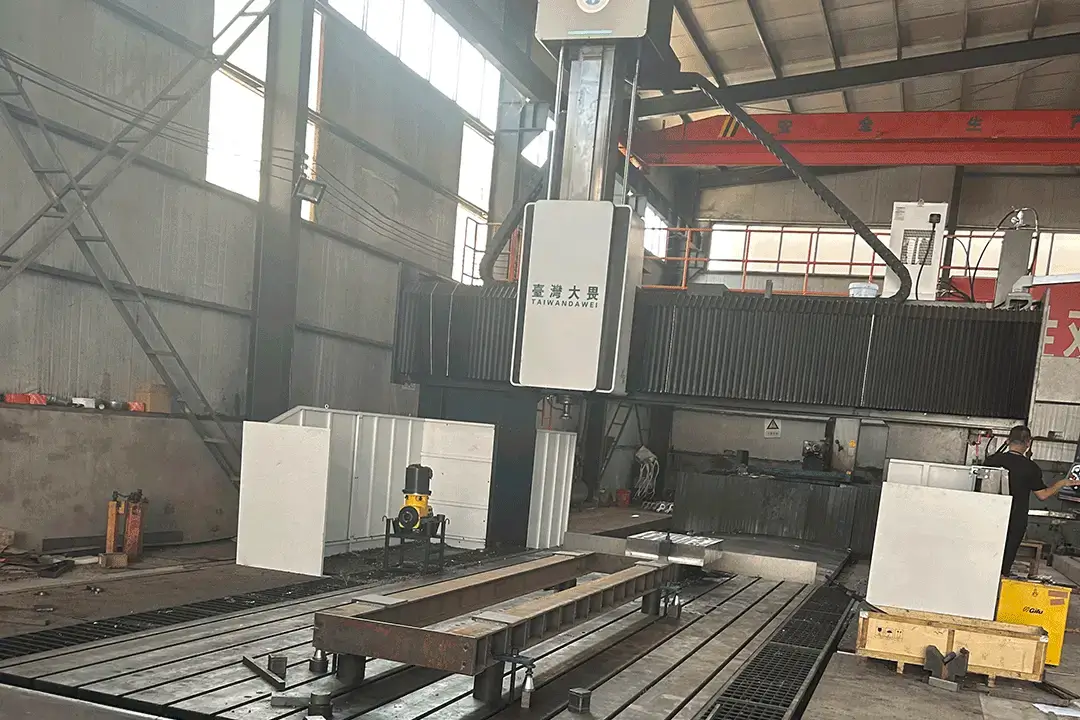
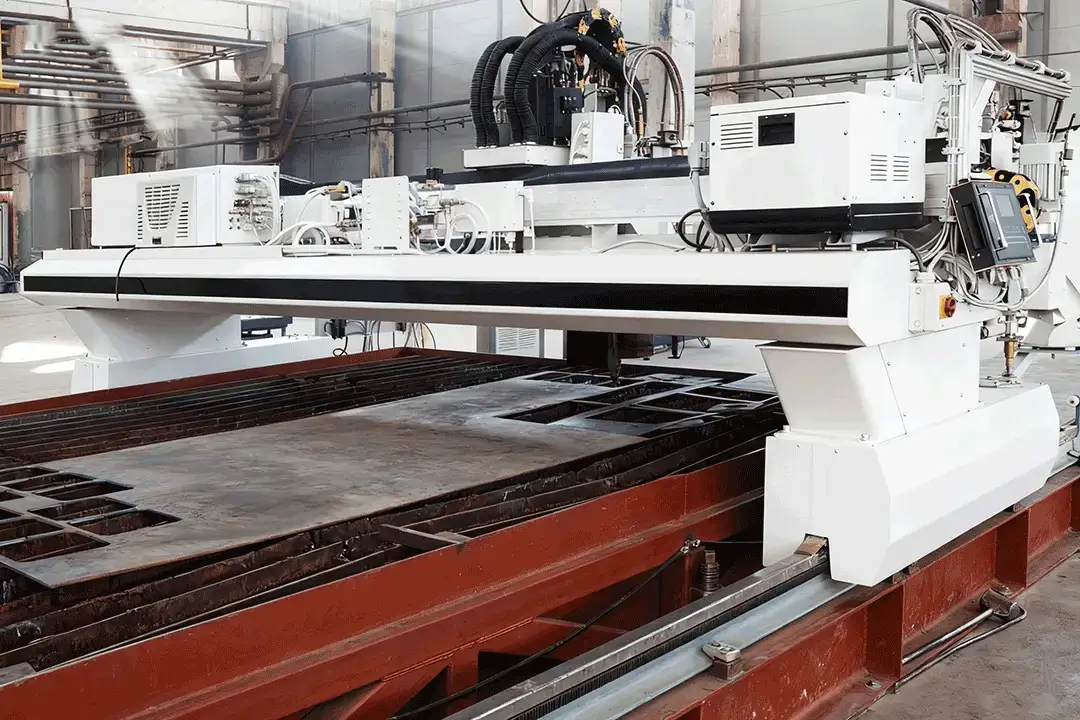
In-house CNC machined components:
Every machine completes a full mechanical run-off under production load before shipment. Weaving speed, wire tension, twist consistency, and safety systems are verified against your order specification. Run-off report available on request.
Complete Hexagonal Wire Mesh Production Line Equipment
YOUTE supplies the full auxiliary equipment required around your hexagonal wire mesh machine — wire preparation, tension control, rolling, and packaging. Each component is independently selectable; configure the line to your output volume, site footprint, and budget.
All auxiliary equipment can be customized to your production specifications. Buyers setting up a complete production line can request a combined quote covering the main machine and all peripheral equipment — single order, single point of contact, coordinated lead time.
Hexagonal Wire Mesh Machine — FAQ
Answers to the questions every hexagonal wire mesh machine buyer asks — before choosing a supplier.
Resources

Hexagonal Wire Mesh Machine Buying Guide: CNC vs Mechanical vs PET — Which Model Fits Your Production Line?
Wire material, mesh size, weaving width, automation level — the four decisions that determine which hexagonal wire mesh machine is right for your chicken wire, poultry netting, or aquaculture cage production.
Read moreChicken Wire vs Poultry Netting vs PET Aquaculture Mesh: Wire Specifications for Each Application
Galvanized, PVC-coated, or PET polyester — the wire type you run determines the machine you need. A technical guide to hexagonal mesh specifications for agricultural fencing, poultry farming, and fish farming cage production.
Read moreStarting a Chicken Wire Production Line: Capital Cost, Output Targets, and Machine Selection
Floor space, startup investment, daily output targets, and labor requirements — the numbers that determine whether a hexagonal wire mesh machine purchase makes sense for your new operation.
Read moreGet in touch
Get a Factory-Direct Quote — Usually Within 24 Hours.
Launch Your Hexagonal Mesh Production Line — Get a Quote Within 24 Hours. Tell us your wire type (steel or PET), mesh size, and daily output target. You’ll get a factory-direct quote with model recommendation and configuration rationale — no obligation, no broker fees, no pressure.

